

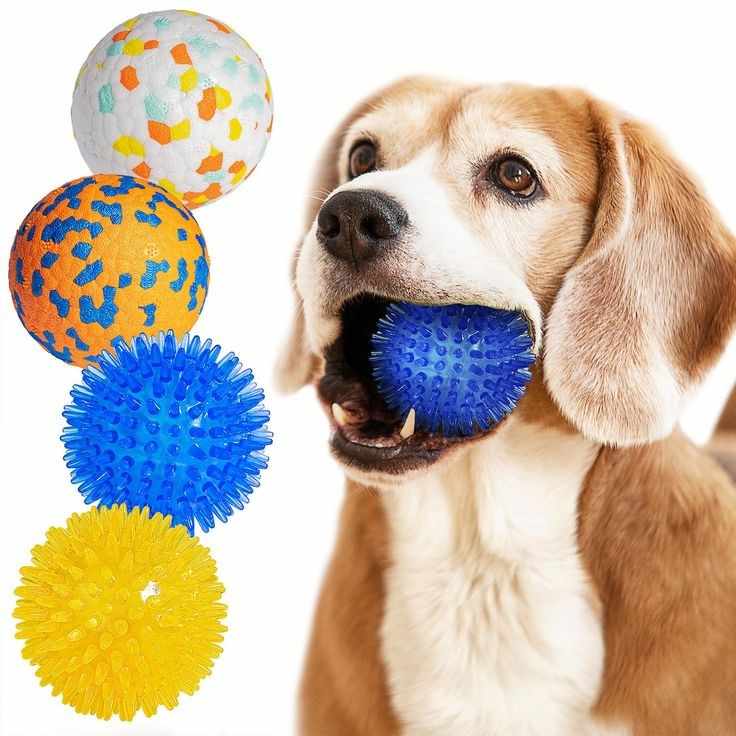
A Complete Guide to the Best Dog Toys for Puppies of All Breeds
Bringing a new puppy into my home was one of the happiest moments of my life. That tiny ball of fur came with boundless energy, sharp little teeth, and a curiosity that turned everything into a potential chew toy. I quickly learned that without the right toys, life with a puppy can mean shredded shoes, damaged furniture, and endless frustration. The solution wasn’t just scolding or constant supervision—it was choosing the best dog toys for puppies.
In this guide, I’ll walk you through everything I’ve learned about finding toys that work for every breed, size, and personality. My goal is simple: to help you avoid the mistakes I made, save your belongings, and keep your puppy happy, healthy, and well-behaved.
Why the Best Dog Toys for Puppies Matter
Puppies don’t just play for fun. Play is a vital part of a puppy’s healthy growth and overall development. I quickly realized that toys serve three main purposes:
- Chewing helps relieve teething pain—without safe chew toys, puppies may gnaw on anything they can find.
- Mental engagement is key—an unstimulated puppy often becomes restless and destructive. Toys keep their minds busy and their bodies occupied.
- Bonding and training – Toys help me connect with my puppy and turn learning into a fun experience.
When I ignored these needs, my puppy became restless and destructive. Once I invested in the best dog toys for puppies, I noticed an immediate difference—less chewing on furniture, calmer behavior, and more enjoyable playtime.
1. How I Choose the Right Puppy Toys
Before I buy any toy, I always think about a few important factors:
Always choose a toy that fits comfortably in your puppy’s mouth; too small can be risky, while oversized toys may cause frustration.
- Softness: Puppy teeth are delicate, so I choose toys softer than adult dog toys.
- Durability: Puppies may be small, but their chewing can be relentless.
- Purpose: Some toys are for chewing, others for puzzles, and some for comfort during lonely times.
Keeping these in mind makes choosing the best dog toys for puppies much easier and safer.
2. Types of Puppy Toys I Rely On
Different toys solve different problems. Here’s what worked best for me:
1. Chew Toys for Teething Relief
Teething is one of the hardest phases. My puppy tried chewing everything in sight until I introduced safe chew toys.
- KONG Puppy Toy – I stuff this with peanut butter or treats, and it keeps my puppy busy for ages.
- Nyla bone Puppy Chews – Soft enough for puppy teeth but durable enough to last.
- Bene bone Puppy Chew – Flavored with real ingredients, making it irresistible.
These are without doubt the best dog toys for puppies who love to chew.
2. Interactive Puzzle Toys for Mental Stimulation
I learned quickly that exercise alone wasn’t enough. My puppy needed challenges that worked his brain.
- Outward Hound Hide-a-Squirrel – A plush tree trunk with squeaky squirrels to pull out.
- KONG Wobbler (Puppy size) – Dispenses treats as my puppy pushes it around.
- Snuffle Mats – Perfect for hiding kibble and encouraging natural foraging instincts.
These are the best dog toys for puppies when boredom becomes an issue.
3. Fetch and Tug Toys for Active Play
My puppy had endless energy, and fetch games became essential.
- Chuck it! Small Ball Launcher – Great for tiny mouths and longer throws.
- Rope toys are perfect for games like tug- of-war and can also ease sore gums during teething.
- Flirt Pole – A fantastic outlet for energy, especially indoors.
If your puppy is a little powerhouse, these are the best dog toys for puppies that love action-packed games.
4. Comfort Toys for Soothing and Anxiety Relief
When my puppy first came home, he cried during the night. Comfort toys were lifesavers.
- Snuggle Puppy Behavioral Aid – Mimics a heartbeat and warmth, calming anxiety.
- Soft Plush Toys – Durable plush toys that became “sleep buddies.”
These comfort options are the best dog toys for puppies struggling with separation anxiety.
3. Breed-Specific Toy Tips
Not every breed plays the same way. I’ve noticed that:
- Small breeds (Chihuahuas, Yorkies): Need lightweight, soft toys they can carry easily.
- Medium breeds (Beagles, Cocker Spaniels): Do well with puzzles and rope toys for tugging.
- Large breeds (Labs, Shepherds): Require tougher chew toys to match their strength.
- Giant breeds (Danes, Mastiffs): Even as puppies, they need oversized, sturdy toys.
Matching toys to breed size and personality makes a huge difference when picking the best dog toys for puppies.
4. Safety Guidelines I Always Follow
Even with the best dog toys for puppies, safety is non-negotiable. Here are my rules:
- Supervise playtime, especially with a new toy.
- Check your puppy’s toys often for wear and tear, and replace them promptly to keep playtime safe.
- Avoid rawhide—it’s unsafe for puppies.
- Rotate toys to keep them fresh and exciting.
These habits keep play safe and fun.
5. My Starter Kit for New Puppies
If I had to recommend a basic set for any new puppy owner, it would be:
- KONG Puppy Toy – for chewing and teething.
- Outward Hound Hide-a-Squirrel – for mental stimulation.
- Rope Toy – for tugging and fetch.
- Snuggle Puppy – for comfort during alone time.
This simple mix covers all the essentials, making it the best dog toys for puppies starter kit.
6. Using Toys in Training
I discovered that toys could transform training sessions. Instead of scolding my puppy for chewing the wrong things, I redirected him with a chew toy. This turned frustration into learning. Puzzle toys doubled as rewards, keeping him busy long after he earned his treat. Crate training became easier once I added comfort toys, turning the crate into a cozy den instead of a scary place.
This is why I consider toys not just entertainment but part of the best dog toys for puppies toolkit for behavior and training.
7. Expanding Play into Learning Moments
I used fetch games to teach recall and drop-it commands. Tug games became lessons in patience and self-control—if my puppy didn’t release on cue, the game stopped. Chew toys guided my pup by teaching the difference between acceptable chewing and off-limits items.
By using the best dog toys for puppies as teaching tools, I made training more enjoyable and effective.
8. Building a Daily Routine with Toys
I found that consistency worked wonders. My routine looked like this:
- Morning: A quick fetch session to burn off energy.
- Afternoon: Puzzle toys while I worked from home.
- Evening: Tug or chew toys to wind down before bed.
This predictable rhythm reduced hyperactivity and made the best dog toys for puppies part of a balanced daily schedule.
9. Socialization Through Toys
I was surprised to see how toys encouraged social bonding. During puppy playdates, rope toys and fetch balls helped the dogs interact without conflict. Friends also used toys to play with my puppy, teaching him that new people meant fun.
That’s why I see socialization as another benefit of the best dog toys for puppies.
10.Recognizing Puppy Preferences
Every puppy has favorites. Mine preferred puzzle toys to squeaky ones. By watching closely, I learned his likes and avoided wasting money on toys he ignored.
Understanding these preferences helps narrow down the best dog toys for puppies for each individual dog.
11. Extending the Life of Toys
Puppies are tough on toys, but I learned tricks to extend their use:
- Rotating toys kept them exciting.
- Washing them regularly made them last longer.
- Freezing chew toys offered extra teething relief.
These small efforts stretched the life of the best dog toys for puppies I invested in.
12. Transitioning from Puppy to Adult Toys
Eventually, my puppy outgrew his softer toys. I replaced them gradually with sturdier adult versions while keeping a few comfort favorites. This smooth transition kept him engaged and safe.
Knowing when to move on from the best dog toys for puppies to adult toys is an important part of raising a healthy dog.
13. Common Mistakes Puppy Owners Make with Toys
When I first started shopping for toys, I made plenty of mistakes. I bought toys that were too big, too hard, or unsafe. My puppy ignored some toys completely, and others didn’t last more than a day. Over time, I realized that mistakes can be avoided with a little preparation.
The first mistake is buying toys meant for adult dogs. These are often too hard for a puppy’s teeth and can even cause damage. Puppies need toys designed for their softer mouths.
Many puppy owners go wrong by picking low-quality toys without considering how safe they really are. I once bought a bargain toy that tore apart within minutes. My puppy nearly swallowed a piece, and that was a scary lesson. Now I stick to trusted brands when choosing the best dog toys for puppies.
A third mistake is not offering variety. Puppies get bored quickly if they only have one type of toy. By rotating chew toys, puzzle toys, and comfort toys, I keep my puppy excited and engaged.
14. Budget-Friendly Options That Work
Not everyone has the budget to buy premium toys every week, and I understand that well. Luckily, I found ways to give my puppy engaging play without spending too much.
- DIY Rope Tug: I braided an old T-shirt into a rope toy. My puppy loved it, and it cost nothing.
- Frozen Washcloth: Wetting a small towel and freezing it gave my teething puppy soothing relief.
- Homemade Puzzle Box: I cut holes in a cardboard box and placed treats inside. It became an instant puzzle toy.
Even if I couldn’t always buy the newest gadgets, these budget-friendly options helped me provide the best dog toys for puppies without overspending.
15. Signs Your Puppy Needs New Toys
Puppies grow quickly, and their needs change. I noticed my puppy’s chewing habits became stronger, and some of his toys no longer challenged him. That was the moment I realized an upgrade was necessary.
Here are the signs I look for:
- Broken or damaged toys should be replaced right away once they begin to fall apart.
- Loss of interest: When my puppy ignores a toy he once loved, I know he needs a new challenge.
- Size mismatch: As puppies grow, toys that once fit perfectly may become too small and unsafe.
Recognizing these signs keeps my puppy safe and ensures I’m always giving him the best dog toys for puppies for his stage of growth.
16. Growth Stages and Toy Needs
I realized that my puppy’s toy needs changed at different stages:
- 8–12 weeks: Soft plush toys and gentle chews worked best.
- Between 3 – 6 months: tougher chew toys became a must as teething reached its peak.
- 6–12 months: Puzzle toys and fetch games helped burn energy and challenge his mind.
By adjusting my toy choices over time, I ensured my puppy always had the best dog toys for puppies to match his development.
17. How Toys Prevent Behavioral Issues
Before I invested in toys, my puppy developed habits like barking excessively, chewing furniture, and jumping on guests. When I began using toys regularly, I saw those issues gradually disappear.
- Chew toys reduced destructive chewing. Instead of biting my table legs, my puppy chewed on a Nyla bone.
- Puzzle toys reduced barking. Mental stimulation kept him too busy to bark at every noise.
- Fetch and tug toys reduced jumping. Burning energy through play meant he was calmer when greeting people.
The best dog toys for puppies aren’t just entertainment—they’re tools to prevent unwanted behavior before it becomes a long-term problem.
18. Making Toys Part of Bonding Time
One of the things I love most is how toys strengthen my bond with my puppy. Play sessions became our special time together, and I could see how much he trusted me during these moments.
- When I threw a ball, he learned to bring it back because he wanted me to throw it again.
- During tug games, he learned patience and respect as I taught him to release on command.
- When he snuggled a plush toy I gave him, I knew he felt safe and comforted.
Choosing the best dog toys for puppies isn’t only about solving problems—it’s about creating memories and building a relationship that lasts.
FAQ:
Q. 1. How many toys does a puppy need?
A. I keep around 5–7 toys and rotate them.
Q.2. Are plush toys safe for puppies?
A. Absolutely, as long as the toys are made for puppies and inspected often.
Q. 3. Can I use adult dog toys?
A. Not usually. They’re often too hard or too big for puppies.
Q. 4. When should I replace toys?
A. As soon as they show damage or loose parts.
Final Thoughts
I’ve learned that investing in the best dog toys for puppies solves many problems—from chewing destruction to restless nights. These toys comfort, challenge, and entertain, giving a puppy what they need to grow into a happy, well-behaved dog.
Every puppy is different, but the formula stays the same: a mix of chew toys, puzzle toys, fetch toys, and comfort toys. With these, you’ll not only protect your home but also create a stronger bond with your furry companion.
If you’re starting out, don’t overthink it. Pick a few from each category, watch what your puppy enjoys most, and adjust. The best dog toys for puppies are more than entertainment—they’re tools for a happier, calmer, and healthier life.
One thought on “A Complete Guide to the Best Dog Toys for Puppies of All Breeds”