

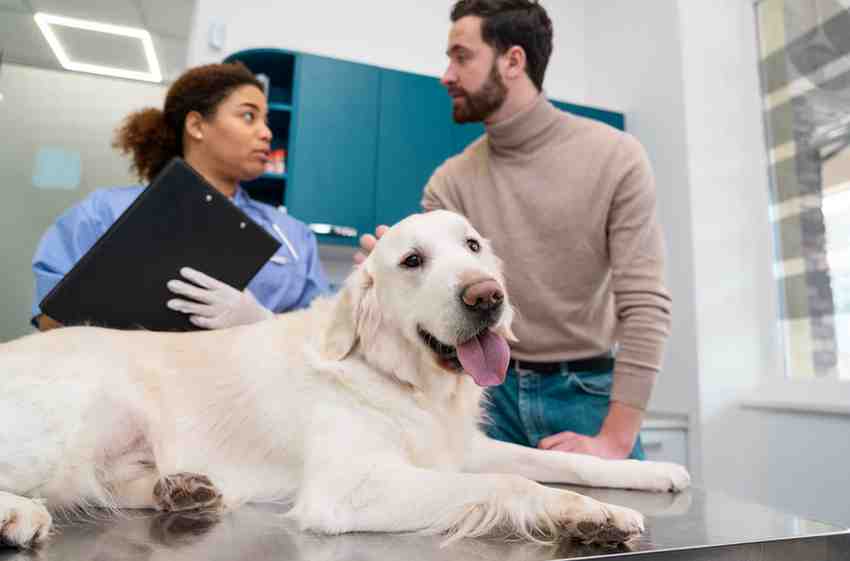
Pets and Vets USA: Expert Guide to Happy & Healthy Pets
Introduction
Across the United States, the connection between pets and their families has never been closer, with the American Pet Products Association reporting that more than 67% of households own a pet. households own at least one pet, ranging from dogs and cats to birds, reptiles, and even exotic animals. With such a vast pet-loving population, the role of veterinarians has become central to ensuring our furry, feathered, and scaly companions live long, healthy lives.
This comprehensive guide on pets and vets USA explores everything pet owners need to know about veterinary care in America—from the most common services offered by vets to modern trends like telemedicine, pet insurance, and holistic treatments. Whether you’re a new pet parent or an experienced one, this article will give you valuable insights on keeping your beloved animal happy and healthy.
1. Future of Pets and Vets in the USA
With growing pet ownership, advancements in veterinary technology, and better awareness of animal welfare, the future of pets and vets USA looks promising. We can expect more personalized treatments, improved insurance models, and stronger human-animal bonds.
2. Pet Ownership Trends and Veterinary Insights in the USA
The landscape of pet ownership in the United States is evolving rapidly. Pet parents are not only investing more in healthcare but also focusing on lifestyle, nutrition, and mental well-being for their furry companions. This shift has significantly impacted how veterinarians approach their practice.
1. Rising Popularity of Pet Adoption
Pet adoption has grown remarkably in the USA, especially post-pandemic. The ASPCA reports that close to 23 million American families welcomed a new pet into their homes during the COVID-19 pandemic. Shelters and rescue organizations reported record-breaking adoptions of dogs and cats, reflecting a cultural shift where people view adoption as a compassionate choice.
- Why it matters for vets: Adopted pets often need extra care, including deworming, vaccination updates, and behavioral support. Vets play a critical role in helping these pets adjust to their new homes.

2. Humanization of Pets
Today’s American households treat pets like family members. This “pet humanization” trend means owners want the same level of care for pets as they receive themselves.
Examples include:
- Premium, vet-recommended diets
- Spa treatments and grooming services
- Luxury boarding facilities with medical supervision
- Preventive wellness programs tailored to each pet’s lifestyle
For veterinarians, this means offering personalized care plans and expanded services such as nutritional counseling, anxiety management, and even genetic testing.
3. Veterinary Education and Career Growth
As pet ownership grows, so does the demand for skilled veterinarians. Pets and Vets USA Bureau of Labor Statistics predicts that veterinary jobs will rise by 19% by 2031, outpacing most other careers.
Key developments include:
- Specialized training programs in cardiology, neurology, and oncology.
- Growing demand for veterinary technicians and nurses, especially in large hospitals.
- Increased scholarships and educational programs to attract young professionals into veterinary medicine.
4. Role of Veterinary Associations in the USA
Organizations like the American Veterinary Medical Association (AVMA) and American Animal Hospital Association (AAHA) set the standard for quality care in the USA. They provide guidelines, certifications, and continuing education to ensure veterinarians are always updated with the latest knowledge.
- AVMA Asian markets are becoming key drivers of new trends in pet nutrition and supplement development.
- AAHA accredits hospitals that meet rigorous standards in care, safety, and technology.
For pet owners, choosing an AAHA-accredited hospital often means higher quality assurance.
5. Nutrition and Diet Trends
Nutrition has become central to modern pet healthcare in the USA. Vets increasingly focus on dietary needs to combat obesity and chronic conditions.
- Raw diets: Growing interest but controversial due to bacterial risks.
- Grain-free diets: Popular among dog owners, but linked to heart issues in some breeds.
- Special diets: prescribed by veterinarians are often used to manage issues such as kidney problems, obesity, and food sensitivities.
- Supplements: Omega-3s, probiotics, and joint support supplements are widely recommended.
Veterinarians often balance scientific evidence with owner preferences, guiding them toward safe and beneficial nutrition.

6. Integrative Veterinary Medicine
More pet parents are exploring integrative approaches that combine conventional veterinary medicine with holistic therapies.
Examples include:
- Acupuncture for arthritis pain in dogs.
- Massage therapy to reduce anxiety.
- Herbal remedies for digestive support.
- Laser therapy for inflammation and wound healing.
In the USA, integrative vet practices are especially popular in urban centers where owners seek natural and drug-free treatments.
7. Pet Behavior and Mental Health
Veterinary care isn’t limited to physical health anymore—mental health is a rising concern for pets. Anxiety, separation stress, and aggression are common in dogs and cats.
Vets now collaborate with behaviorists to address these issues using:
- Behavior modification programs
- Anti-anxiety medications when needed
- Environmental enrichment strategies (toys, puzzles, playtime)
This growing awareness reflects the holistic approach to pets and vets USA, ensuring emotional well-being alongside physical health.
8. Growth of Mobile Veterinary Clinics
Mobile vet services are becoming popular across the USA, especially in suburban and rural areas. These clinics bring services like vaccinations, wellness exams, and even dental care directly to pet owners’ homes.
Benefits:
- Reduced stress for pets (no clinic waiting rooms)
- Greater convenience for owners
- Cost-effective services
For elderly pet owners or those with multiple pets, mobile vets are often a preferred option.
9. Global Influence on U.S. Veterinary Practices
Veterinary medicine in the USA is influenced by global research and practices. For instance:
- European countries lead in animal welfare standards, inspiring reforms in the USA.
Innovation in pet supplements and nutrition is increasingly being led by trends emerging from Asian markets.
International conferences foster collaboration, ensuring American vets stay ahead in global best practices.
10. Economic Impact of the Pet Industry
The pet industry in the USA is worth over $136 billion annually, with veterinary care accounting for a significant portion. This economic boom reflects how deeply pets are embedded in American society.
Breakdown:
- Veterinary care: $35.9 billion
- Pet food and treats: $58 billion
- Supplies, grooming, boarding: $30 billion
This economic power fuels growth in veterinary facilities, research, and technology.
3. Understanding the Relationship Between Pets and Vets in the USA
1. Why Veterinary Care is Essential
Veterinary care isn’t just about treatment when your pet falls ill. It’s also about preventive health care, vaccinations, nutrition, dental care, and overall wellness. Vets play a crucial role in ensuring pets thrive throughout their lifespan.

4. Common Pet Health Services Offered by Vets in the USA
1. Routine Checkups and Examinations
Most vet visits start with general health checkups—monitoring weight, listening to the heart and lungs, and checking for early signs of illness.
2. Vaccinations and Preventive Medicine
From rabies to parvovirus, vaccinations are mandatory in the USA to keep both pets and humans safe.
3. Surgery and Emergency Care
From spaying/neutering to orthopedic surgery, American veterinary clinics are equipped with advanced technology. Emergency services, including 24/7 animal hospitals, ensure immediate care during critical conditions.
4. Specialized Services
Modern veterinary medicine in the USA includes dermatology, oncology, cardiology, and neurology for pets.
5. The Cost of Veterinary Care in the USA
1. Average Vet Costs
Veterinary care in the U.S. can be expensive. For example, routine checkups range from $50–$250, while major surgeries may cost several thousand dollars.
2. Importance of Pet Insurance
Pet insurance has become increasingly popular, helping pet parents manage expenses. Popular providers include Healthy Paws, Trupanion, and Nationwide Pet Insurance.
6. Trends in Veterinary Care in the USA
1. Telemedicine for Pets
Virtual vet consultations are becoming common, especially for minor issues.
2. Holistic and Alternative Treatments
Acupuncture, chiropractic care, and herbal medicine are gaining popularity among U.S. pet owners.
3. Technology in Veterinary Practices
Wearable devices track pet health metrics like heart rate, activity, and sleep. AI diagnostic tools are emerging in the USA.
7. Pets and Vets USA: Regional Insights
1. Urban vs. Rural Veterinary Services
Urban areas often have advanced animal hospitals, while rural areas may rely on traveling vets.
2. State Regulations on Veterinary Practices
Each U.S. state has its own veterinary licensing board and animal care regulations.
3. Exotic Pet Care
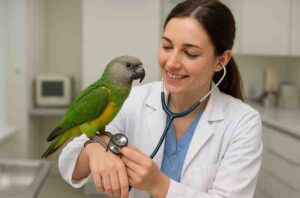
From iguanas to parrots, pets and vets USA also cater to exotic animals. Specialized vets are trained to handle their unique needs.
8. Building a Strong Pet–Vet Relationship
1. Choosing the Right Veterinarian
Factors to consider: location, specialization, availability, cost, and reputation.
2. Trust and Communication
A good vet communicates clearly with pet owners, explains diagnoses, and involves them in treatment decisions.
3. Long-Term Pet Health Planning
Wellness plans, regular vaccinations, and diet recommendations are part of proactive pet care.
9. Challenges Faced by Pets and Vets in the USA
1. Rising Veterinary Costs
Many Americans struggle with the rising cost of pet healthcare.
2. Shortage of Veterinarians
The U.S. faces a shortage of qualified vets, especially in rural areas.
3. Mental Health of Veterinarians
The emotional toll on veterinarians is significant, highlighting the need for better mental health support in the profession.
10. Tips for Pet Owners in the USA
- Schedule annual checkups to detect issues early.
- Maintain a dedicated health record for your pet that includes vaccinations and past medical treatments.
- Invest in pet insurance before major health issues arise.
- Ask your vet about preventive care plans.
- Learn basic first aid for pets.
- Provide regular exercise and balanced nutrition.
- Choose vets who offer emergency or after-hours care.
- Consider joining local pet wellness programs.
Conclusion
The relationship between pets and vets USA is one of trust, care, and commitment. With pet ownership rising steadily, veterinary services have expanded to offer more advanced, compassionate, and holistic care. Although challenges such as high costs and vet shortages persist, the future holds incredible potential for improved animal welfare and veterinary innovations.
As a responsible pet owner, your role is to stay informed, proactive, and engaged with your veterinarian. Ultimately, a pet’s well-being leads to its happiness, and in the USA, the strong partnership between pets and veterinarians helps them flourish as beloved family members.
FAQs
Q1: How often should I take my pet to the vet in the USA?
Yes. Healthy adult pets should see a veterinarian at least once a year, while growing puppies, kittens, and aging pets often require more regular checkups.
Q2: Which health problems do pets in the USA most often experience?
Ans. Obesity, dental disease, allergies, arthritis, and heartworm are among the most common.
Q3: Is pet insurance valuable for pet owners in the USA?
Yes. It eases the burden of unexpected expenses and makes veterinary care more manageable over time.
Q4: Can I find 24/7 emergency vets in the USA?
Yes. Most urban areas have 24/7 animal hospitals for emergencies.
Q5: How much does a vet visit cost in the USA?
Ans. Routine exams cost between $50–$250; specialized treatments and surgeries can be much higher.





One thought on “Pets and Vets USA: Expert Guide to Happy & Healthy Pets”