

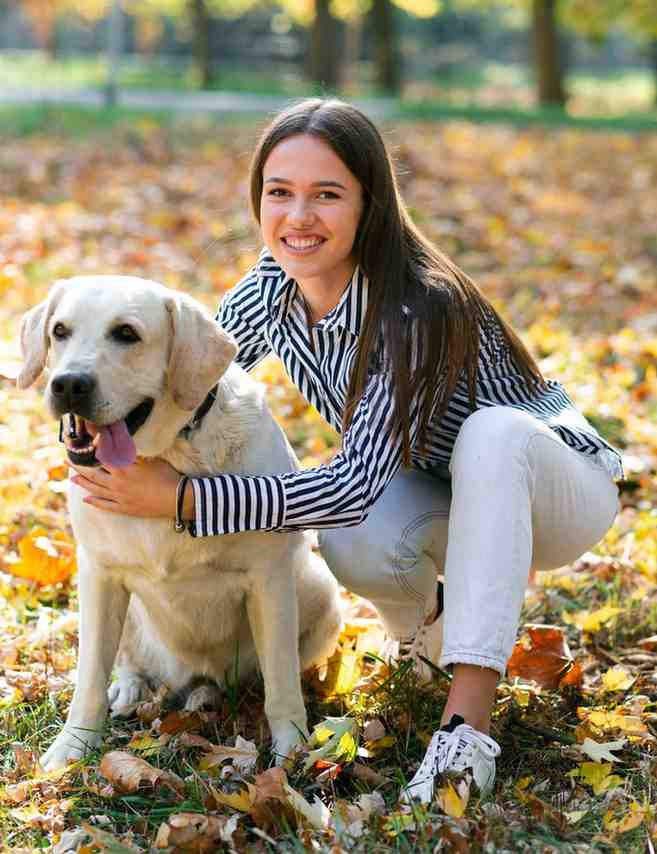
How to Stop My Dog From Being Aggressive: Proven Training Tips
1. Introduction
Aggression in dogs can be stressful and even frightening, especially when it comes from your own furry companion. If you’re reading this, you’re probably asking yourself, “How to Stop My Dog From Being Aggressive” without making things worse. I’ve been there myself, dealing with a rescue dog that barked, snapped, and lunged at strangers. It’s not easy, but it is manageable.
Aggressive behavior doesn’t happen for no reason. Dogs use aggression as a way to communicate fear, frustration, or protectiveness. Puppyhood, lack of training, past trauma, or even pain can trigger it. What matters most is identifying the cause and addressing it in the right way.
In this post, I’ll walk you through the common causes of aggression, first steps to take, proven training methods, and lifestyle changes that make a real difference. I’ll also share mistakes you should avoid and answer some of the most common questions I hear from dog owners. By the end, you’ll have a clear roadmap for how to stop my dog from being aggressive in a safe, effective way.

2. Understanding Dog Aggression
Before you jump into training, it’s important to understand what aggression looks like and why it happens. Aggression is not just biting—it often starts with smaller signals. Recognizing these helps you step in early before things escalate. It can show up as:
- Growling or snarling – a warning sign your dog feels uncomfortable.
- Snapping or lunging – a physical attempt to scare or defend.
- Raised hackles and stiff posture – signs of tension or alertness.
- Biting with intent to harm – the most serious form of aggression.
There are different types of aggression, each requiring unique handling:
- Fear-based aggression – the dog lashes out when scared.
- Territorial aggression – protecting home or space.
- Protective aggression – guarding family or another pet.
- Possessive aggression – resource guarding (food, toys).
- Redirected aggression – frustration taken out on whoever is nearby.
Aggression is a symptom, not the root issue. Instead of asking “why is my dog mean?” the better question is “How to Stop My Dog From Being Aggressive” by addressing the triggers behind it. Once you know what sparks aggression, you can develop a step-by-step plan to resolve it, making your dog calmer and safer to be around.
3. Common Causes of Aggression in Dogs
Every aggressive dog has a story. Identifying the root cause is the first step toward meaningful change. Aggression rarely comes out of nowhere—it often has deep roots.
Lack of Socialization
Dogs that weren’t properly socialized as puppies may feel insecure around people or animals, leading to defensive aggression.
- Missed early exposure to new environments.
- Fear of unfamiliar noises or movements.
- Nervousness around new people or animals.
Fear or Anxiety
A fearful dog often strikes out to protect itself. This is one of the most common reasons I hear when someone asks, “How to Stop My Dog From Being Aggressive.”
- Loud sounds like fireworks can spark aggression.
- Negative past experiences can create triggers.
- Anxiety increases without consistent routines.
Medical Issues
Pain can turn even the sweetest dog into a biter. Arthritis, dental disease, or injuries often make a dog snappy. Always rule out health issues first with a vet visit.
- Regular vet check-ups are critical.
- Even minor discomfort can cause mood changes.
- Health treatments often reduce aggression dramatically.
Protective or Territorial Instincts
Some breeds are naturally protective. Without training, this instinct can become aggression toward visitors or strangers.
- Guarding the yard or house.
- Barking aggressively at door knocks.
- Blocking family members from outsiders.
Poor Training Methods
Harsh punishment or inconsistent training often makes aggression worse. Dogs respond best to calm, positive guidance.
- Yelling increases fear-driven aggression.
- Inconsistency confuses dogs.
- Positive reinforcement builds trust.
When I dealt with aggression in my own dog, the real issue was fear of strangers. Once I understood that, I could tailor training around confidence-building instead of punishment.

4. First Steps to Address Aggressive Behavior
When I realized I needed to figure out how to stop my dog from being aggressive, the first thing I did was take him to the vet. That’s where you should start too. Pain or illness can easily be mistaken for “bad behavior,” and ruling it out is the foundation of progress.
Once medical issues are cleared, focus on identifying triggers. Ask yourself:
- Does aggression happen only around strangers?
- Does your dog lash out at other dogs?
- Are noises like thunderstorms or fireworks a trigger?
Keeping a behavior journal helps you track these patterns. Write down:
- The situation before aggression started.
- Your dog’s exact reaction.
- How the situation ended.
A mistake I made early on was punishing growling. Growls are not bad—they’re warnings. If punished, dogs may stop growling and skip straight to biting. Instead, respect the growl and calmly redirect or remove your dog.
Safety should always come first. Until you gain control:
- Use a sturdy leash and harness.
- Consider a basket muzzle if needed.
- Avoid high-risk environments until progress is visible.
This ensures that while training is ongoing, no one—including your dog—is put in danger.
5. Proven Training Tips to Stop Dog Aggression
Now let’s dig into the heart of the matter: how to stop my dog from being aggressive using training methods that actually work. Training builds new habits and rewires your dog’s responses.
Positive Reinforcement
Reward calm behavior with treats, toys, or praise. For example, when your dog stays relaxed near a trigger, mark the moment with a treat.
- Use high-value treats your dog loves.
- Reward even small signs of progress.
- Keep your voice calm and encouraging.
Desensitization and Counterconditioning
Expose your dog to triggers gradually. Pair the trigger with positive rewards like food or play.
- Begin the training at a spot where your dog feels relaxed and shows no signs of stress.
- Slowly close the distance as confidence grows.
- Always end sessions on a positive note.
Obedience Training
Teach commands like sit, stay, leave it, and focus. These tools give you control during tense moments.
- “Focus” brings attention back to you.
- “Leave it” prevents chasing or snapping.
- Consistency builds reliability.
Redirection Techniques
If your dog feels tense, redirect their energy into play or commands.
- Offer a favorite toy to shift focus.
- Use games to replace stress with fun.
- Keep alternatives ready during walks.
Exercise and Mental Stimulation
A tired dog is a calmer dog. Daily activities reduce pent-up energy that can feed aggression.
- Daily walks suited to breed needs.
- Puzzle toys to keep the brain busy.
- Short training games throughout the day.
Professional Help
Sometimes, despite best efforts, you need extra guidance. Trainers and behaviorists develop customized plans.
- Experts identify subtle triggers.
- They create structured training roadmaps.
- Professional sessions give faster results.
I used these strategies with my own dog, and his behavior transformed over time. Patience and practice were the key.
6. Lifestyle Changes That Reduce Aggression
Training works best when paired with lifestyle adjustments. I discovered that daily habits greatly influenced how to stop my dog from being aggressive. Small changes made a big difference.
Daily Exercise
Match activity levels to breed needs. A Labrador won’t thrive on a 10-minute walk.
- Schedule long walks or play sessions.
- Add variety with fetch, running, or agility.
- Ensure both physical and mental stimulation.
Consistent Routine
Dogs thrive on predictability. Routines reduce stress and confusion.
- Feed your dog at the same times daily.
- Stick to regular walk schedules.
- Make bedtime consistent too.
Calm Home Environment
Loud, chaotic environments worsen aggression. Dogs need calm spaces to relax.
- Minimize sudden loud noises.
- Create a safe spot like a crate or bed.
- Keep visitors calm during greetings.
Controlled Socialization
Gradual exposure helps dogs adapt without feeling threatened.
- Introduce new dogs one at a time.
- Use neutral locations for first meetings.
- Reward calm behavior immediately.
These adjustments support training and help reduce stress, making your goal of how to stop my dog from being aggressive much more achievable.

7. Mistakes to Avoid When Dealing With Aggression
I’ve seen dog owners—including myself—make mistakes that worsen aggression. Avoiding these errors can make training smoother and safer.
Yelling or Punishment
Harsh methods increase fear, which fuels aggression.
- Yelling damages trust.
- Hitting escalates defensive behavior.
- Fearful dogs often respond with more aggression.
Ignoring Warning Signs
Small cues often come before big incidents.
- Growling signals discomfort.
- Snapping is a warning before biting.
- Ignoring signs risks escalation.
Inconsistent Rules
Mixed messages confuse dogs.
- One day on the couch, the next day punished.
- Inconsistency creates frustration.
- Clear rules help dogs feel secure.
Unsafe Situations
Throwing aggressive dogs into overwhelming environments is risky.
- Dog parks increase tension.
- Crowded places spark reactivity.
- Safety should always be the priority.
Avoiding these mistakes is just as important as learning how to stop my dog from being aggressive. Consistency, patience, and safe environments ensure progress.
8. Conclusion
Dealing with an aggressive dog isn’t easy, but it’s not hopeless. The key is understanding that aggression is a form of communication, not just “bad behavior.” Once you know the cause, you can address it with structured training, lifestyle changes, and a lot of patience.
I’ve personally seen incredible transformations in dogs that once seemed unmanageable. With consistency and, when needed, professional support, you can truly learn how to stop my dog from being aggressive and create a safe, peaceful relationship with your pet.
Your dog looks to you for leadership. Show patience, set clear rules, and reinforce calm choices. Over time, your dog will learn to trust and respond positively.

9. FAQs
Q1. Why is my dog suddenly aggressive?
Sudden aggression often points to pain, illness, or a major change in environment. Always see a vet first to rule out medical causes.
Q2. Can aggression in dogs be cured completely?
Aggression can often be managed or reduced, but some dogs may always need careful supervision. Consistent training and structure go a long way.
Q3. Is it a good idea to put a muzzle on my aggressive dog?
Yes, a basket muzzle can be a safe tool for training and outings. It prevents bites without harming your dog when used correctly.
Q4. How much time does it usually take to work with a dog showing aggressive behavior?
It depends on the cause and consistency of training. Some dogs improve in weeks, while others need months of steady work. Patience is key.
Q5. Can neutering or spaying reduce aggression in dogs?
In some cases, yes. Hormone-driven aggression may decrease, but not all aggression is hormone-related. Training is still essential.
Q6. At what point should I consider reaching out to a professional trainer or behaviorist for help?
If your dog has bitten or shows severe aggression that feels unmanageable, don’t wait. A certified professional can provide safe, tailored guidance.



One thought on “How to Stop My Dog From Being Aggressive: Proven Training Tips”