

How to Deal with Problems with Orijen Dog Food?
Introduction
When it comes to feeding dogs, many pet parents want the very best. Orijen, sometimes misspelled as Orijen, is one of those premium brands that often comes up in conversations about high-quality nutrition. The company has built a strong reputation for using biologically appropriate, grain-free formulas with high meat content. It’s marketed as a top-tier option, promising to mimic a dog’s ancestral diet.
But as much as Orijen has loyal fans, I’ve noticed a growing number of pet parents raising concerns. Some report digestive problems, while others worry about the long-term effects of feeding such a rich, high-protein food. The problems with Orijen dog food are not universal, but they are real enough that dog owners deserve to understand what’s going on.
I decided to write this post to break down the most common issues, explain how to identify whether Orijen might be causing your dog’s discomfort, and share practical steps to handle these problems. My goal is to help you feel more confident about your dog’s diet decisions, whether you stick with Orijen or explore safer alternatives.
Understanding Orijen Dog Food
Before diving into the issues, it helps to understand what Orijen actually offers. Orijen is manufactured by Champion Pet foods, a Canadian company known for using fresh regional ingredients and claiming a biologically appropriate philosophy. This means their recipes are designed to reflect what dogs would eat in the wild: high protein, limited carbs, and plenty of meat-based nutrients.
Their formulas are typically grain-free and boast impressive ingredient lists. You’ll often find deboned chicken, turkey, fish, and eggs as the first ingredients, along with nutrient-rich organs and cartilage. They also include vegetables, legumes, and botanicals for balance. On paper, this looks like a dream come true for health-conscious pet parents.
So why do people choose it in the first place? Many want to avoid low-quality fillers like corn, wheat, or soy. Others love the idea of feeding a dog food that sounds gourmet. The brand appeals to owners who want to feel confident they’re giving their dog “the best.”
Still, even premium brands have downsides, and the problems with Orijen dog food often surface only after weeks or months of feeding.
Common Problems Reported with Orijen Dog Food
Despite its glowing reputation, Orijen isn’t perfect. Many pet parents have noticed challenges when feeding it, and understanding these can save you a lot of stress.
1. Digestive Issues
The most frequently reported problems with Orijen dog food involve digestion. Because the formulas are so rich in protein and fat, some dogs experience diarrhea, vomiting, gas, or bloating. This is especially common in dogs with sensitive stomachs or breeds that thrive on a more moderate diet.
One pet parent shared how their Labrador developed loose stools every time they switched back to Orijen, even after slow transitions. Another said their smaller terrier vomited regularly until they swapped to a less intense brand.
2. Allergic Reactions
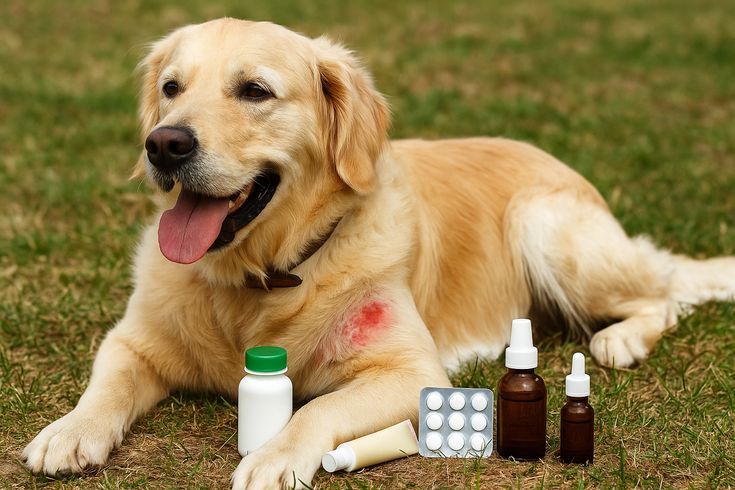
Orijen includes many different animal proteins in one formula. While variety seems good, it can trigger food sensitivities. Dogs with protein allergies may show symptoms such as constant itching, skin rashes, ear infections, or even hair loss.
For example, one reader told me that her French Bulldog started scratching nonstop after switching to Orijen Six Fish. Once she moved back to a simpler diet, the symptoms cleared up. This highlights how problems with Orijen dog food can sometimes appear as skin and coat issues rather than stomach upset.
3. High Protein Concerns
High protein sounds great, but not every dog can handle it. Senior dogs or those with kidney issues may struggle to process such nutrient-dense meals. Some dogs just get upset stomachs because the richness overwhelms their digestive system.
I’ve seen cases where owners switched to Orijen thinking “more protein equals healthier,” only to realize their dog was lethargic and uncomfortable.
4. Grain-Free Controversy
Perhaps the biggest controversy tied to Orijen and other grain-free foods is the possible link to dilated cardiomyopathy (DCM), a heart condition. While research is ongoing, the FDA has looked into grain-free formulas that rely heavily on legumes like peas and lentils. Many Orijen recipes fall into this category.
Even though not every dog is affected, the problems with Orijen dog food extend into this debate, leaving many pet parents uneasy about long-term safety.
5. Quality Control Complaints
Orijen has faced criticism about sourcing and recalls. While it hasn’t had as many recalls as some big-box brands, there have been controversies around ingredient sourcing and manufacturing changes after moving part of production to the U.S. Some owners believe the quality declined after that shift.
6. Taste & Palatability Problems
Believe it or not, not all dogs like Orijen. Some find the kibble too strong-smelling or simply unappealing. A number of pet parents complained about spending a fortune only to have their dogs refuse to touch the food.
This shows that problems with Orijen dog food aren’t just about health—it can also be about waste and frustration when picky eaters refuse it.
How to Identify If Orijen Dog Food Is Causing Problems
So how do you know if your dog’s issues come from Orijen and not something else? Start by observing your pet closely. Symptoms to watch for include diarrhea, vomiting, gas, itching, rashes, or sudden refusal to eat. If these appear shortly after starting Orijen, that’s a red flag.
It’s important to distinguish between food sensitivity and illness. For example, if your dog picks up a stomach bug, it might mimic food-related symptoms. But when the signs persist or worsen on Orijen, the food is the likely culprit.
Whenever in doubt, consult your vet. They can run tests to rule out medical conditions and guide you on whether the problems with Orijen dog food are affecting your pet.
Steps to Solve Problems with Orijen Dog Food
If you suspect Orijen is causing trouble, don’t panic. There are practical steps you can take to ease your dog’s transition to something that works better.
1. Transitioning Slowly
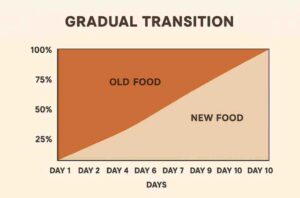
Never switch foods overnight. If you decide to move away from Orijen, transition gradually over 7–10 days by mixing the new food with the old. This helps minimize digestive upset.
2. Choosing the Right Formula
Sometimes the solution isn’t ditching Orijen entirely but picking a formula better suited to your dog’s age, breed, or health needs. For example, Orijen Puppy is designed for growth, while Senior might work better for older dogs. But if the issues continue, it may be time to explore other brands.
3. Mixing with Other Foods
To avoid wasting an expensive bag, some owners successfully mix Orijen with a simpler kibble or wet food. This dilutes the richness and can reduce digestive upset. Just make sure the added food is safe and balanced.
4. Talking with Your Vet
Your veterinarian should always be part of the decision. They can recommend whether a special diet is necessary and help tailor your dog’s nutrition plan.
5. Monitoring Portions & Feeding Schedule
Overfeeding is a hidden cause of problems with Orijen dog food. Because it’s nutrient-dense, dogs often need less than other kibble brands. Double-check the feeding guidelines and measure portions carefully.
6. Considering Alternatives
If nothing works, it may be time to explore safer brands that fit your dog better. I’ll cover some in the next section.
Safer Alternatives to Orijen Dog Food
If you’ve decided Orijen isn’t right for your dog, there are excellent alternatives on the market. Brands like Acana (made by the same company but often easier to digest), Wellness Core, Blue Buffalo Wilderness, and Merrick Backcountry offer premium options with different protein and grain balances.
When choosing, look for:
Balanced nutrients approved by AAFCO standards.
Digestibility—foods that don’t overwhelm sensitive stomachs.
Simplicity—fewer protein sources can help dogs with allergies.
The key is finding a diet that keeps your dog healthy and happy, without repeating the same problems with Orijen dog food.
Conclusion
Orijen has earned a reputation as a premium, biologically appropriate food, but it’s not the perfect fit for every dog. From digestive upsets and allergies to the grain-free debate, the problems with Orijen dog food can be frustrating. The good news is, with careful observation, vet guidance, and smart transitions, you can protect your dog’s health and find a diet that truly works.
Always remember: your dog’s well-being matters more than brand loyalty. If you notice persistent symptoms, trust your instincts, consult your vet, and make the changes necessary. At the end of the day, the best food is the one that keeps your dog thriving.
FAQs
Q1. Is Orijen dog food safe for all breeds?
Not necessarily. While some breeds thrive on it, others—especially those with sensitive stomachs—may develop problems with Orijen dog food such as diarrhea or bloating.
Q2. Why does Orijen dog food cause stomach issues in some dogs?
Its high protein and fat content can overwhelm digestion. Dogs used to moderate formulas may react poorly, leading to common problems with Orijen dog food like gas and vomiting.
Q3. Has Orijen dog food ever been recalled?
Yes, though not frequently. There have been concerns about ingredient sourcing and quality changes, which adds to the list of problems with Orijen dog food that pet parents consider.
Q4. What are the signs my dog is allergic to Orijen?
Look for itching, rashes, recurring ear infections, or hair loss. These symptoms are often linked to protein sensitivities and fall under the common problems with Orijen dog food.
Q5. Is grain-free dog food really harmful?
It’s controversial. Some studies suggest grain-free diets may contribute to DCM in certain dogs. This remains one of the debated problems with Orijen dog food because many formulas are grain-free.
Q6. What should I feed my dog instead of Orijen?
Consider alternatives like Acana, Wellness Core, or Merrick. The key is finding a balanced diet that avoids the problems with Orijen dog food while still supporting your pet’s health.



One thought on “How to Deal with Problems with Orijen Dog Food? Powerful Tips”