


Best High Quality Puppy Food for Small Breeds: Complete Guide
1. Introduction
Bringing home a new puppy is an exciting adventure, but it also comes with big responsibilities. One of the most important decisions you’ll make is choosing the right food. Puppyhood is a stage of rapid growth and development, and proper nutrition can make all the difference in your pup’s long-term health. A well-balanced diet supports strong bones, a healthy immune system, brain development, and sets the foundation for an active, happy life.
Small breed puppies, such as Chihuahuas, Yorkies, or Maltese, have unique dietary needs that differ from larger breeds. Their fast metabolism requires more calories per pound of body weight, and their tiny mouths need smaller kibble that’s easier to chew. This means you can’t just pick any generic puppy food from the shelf. You need something tailored for small breeds.
In this complete guide, I’ll walk you through everything you need to know about high quality puppy food for small breeds. You’ll learn about their nutritional requirements, what to look for in food labels, the pros and cons of different food types, and my top recommendations. I’ll also share feeding guidelines, common mistakes to avoid, and answers to the most common questions I hear from new puppy parents.

2. Nutritional Needs of Small Breed Puppies
Small breed puppies burn energy quickly. Unlike larger breeds, their tiny bodies process food at a faster rate, meaning they need more calorie-dense nutrition to keep up with their growth and playfulness. This is why high quality puppy food for small breeds must be rich in nutrients without being bulky.
Protein is the building block of muscle and tissue, and it should always come from high-quality animal sources like chicken, lamb, or fish. Look for puppy food with at least 22–30% protein to support muscle development. Healthy fats are equally important. They fuel your puppy’s energy levels and aid in brain and vision development, especially when the food includes DHA from fish oil.
Calcium and phosphorus support strong bones and teeth, while vitamins and minerals like vitamin E, vitamin C, and zinc strengthen the immune system. Because small breeds can sometimes struggle with digestive issues, easily digestible carbohydrates such as rice, oatmeal, or sweet potato help provide steady energy without upsetting their tummies.
Kibble size is another important factor. Small breed puppies need smaller, bite-sized pieces that are easy to chew and digest. Oversized kibble can be uncomfortable and even a choking hazard.
Choosing high quality puppy food for small breeds means finding a formula that’s nutrient-rich, calorie-dense, and specially designed for their tiny jaws and high metabolism.
3. Key Factors to Consider When Choosing Puppy Food
When shopping for high quality puppy food for small breeds, the options can feel overwhelming. Here are the key factors I always check before recommending or buying a brand:
1. Protein Source
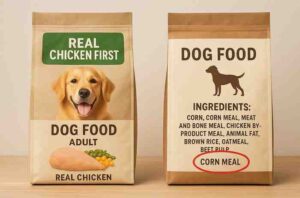
The first ingredient should always be real meat like chicken, lamb, or fish. Protein supports muscle development, energy, and overall growth. Avoid foods where the main ingredient is by-product meal or plant protein.
2. Fat Content
Healthy fats are vital for energy and brain development. Look for foods with chicken fat, salmon oil, or flaxseed. DHA, an omega-3 fatty acid, is especially important for cognitive development.
3. Carbohydrates and Fiber
Small breed puppies need carbs for energy, but they must be gentle on their digestive systems. Brown rice, oatmeal, barley, and sweet potatoes are excellent options. A little fiber helps regulate digestion without causing upset stomachs.
4. Omega Fatty Acids
Omega-3 and omega-6 fatty acids keep skin healthy and coats shiny. They also play a role in brain development, making them a must-have in any high quality puppy food for small breeds.
5. Avoiding Fillers and Artificial Ingredients
Corn, wheat, soy, artificial colors, and preservatives can be hard to digest or trigger allergies. Stick with natural, whole-food ingredients.
6. AAFCO Approval
Make sure the food meets AAFCO (Association of American Feed Control Officials) standards. This ensures it’s complete and balanced for puppy growth.
7. Grain-Free vs. Grain-Inclusive
Grain-free diets have become popular, but not every puppy needs them. Unless your vet recommends grain-free due to allergies, wholesome grains can actually support digestion and sustained energy.
By keeping these factors in mind, you’ll feel more confident about choosing the best high quality puppy food for small breeds that aligns with your puppy’s specific needs.
4. Types of Puppy Food for Small Breeds
When deciding on high quality puppy food for small breeds, you’ll find different types available, each with its own benefits:
Dry Kibble
This is the most common choice. It’s convenient, has a long shelf life, and the crunchy texture can help reduce plaque buildup.
Wet/Canned Food
Wet food is more palatable and provides extra hydration. It’s great for picky eaters, but it can be more expensive and doesn’t help with dental health.
Freeze-Dried or Raw Options
These offer a nutrient-dense, minimally processed option. However, raw diets require careful handling and storage to avoid bacterial contamination.
Combination Feeding
Many puppy owners mix wet and dry food to balance convenience, hydration, and taste appeal.
No matter the type, make sure the product is specifically labeled as high quality puppy food for small breeds and meets AAFCO standards.
5. Best High-Quality Puppy Foods for Small Breeds
Here are my top picks for high quality puppy food for small breeds, along with short reviews of each:
1. Royal Canin Small Puppy Dry Dog Food
Royal Canin creates breed-size tailored kibble designed for small puppies. It’s calorie-dense to support rapid growth and includes antioxidants for immune health.
Pros: Breed-specific design, small kibble, balanced nutrients.
Cons: Contains some fillers like corn.
Best for: Owners who want precision-tailored nutrition.
2. Hill’s Science Diet Small Paws Puppy Food
Formulated by vets, this food includes DHA, antioxidants, and high-quality protein. It’s gentle on small puppy stomachs.
Pros: Vet recommended, easy digestion, immunity support.
Cons: Slightly lower protein than some premium brands.
Best for: Puppies with sensitive stomachs.
3.Blue Buffalo Life Protection Formula crafted especially for small breed puppies
Made with real chicken as the first ingredient and enriched with Life Source Bits (a blend of vitamins, minerals, and antioxidants).
Pros: Real meat first, no corn/wheat/soy, added DHA.
Cons: Some picky eaters dislike the Life Source Bits.
Best for: Owners seeking natural, wholesome ingredients.
4. Wellness Complete Health Small Breed Puppy
Uses whole grains, chicken, and salmon oil. Contains DHA, calcium, and antioxidants for overall growth.
Pros: Balanced formula, high in DHA, no artificial ingredients.
Cons: Higher price point.
Best for: Owners who want a natural, balanced food with whole grains.
5. Merrick Lil’ Plates Grain-Free Puppy Recipe
Packed with deboned chicken and sweet potatoes, this option is grain-free and high in protein.
Pros: Grain-free, high protein, small kibble size.
Cons: Grain-free may not be necessary for all puppies.
Best for: Puppies with grain sensitivities.
6. Nutro Ultra Puppy Small Breed
This formula blends three animal proteins (chicken, lamb, salmon) plus a mix of superfoods like chia and kale.
Pros: Trio of proteins, nutrient-rich superfoods, non-GMO ingredients.
Cons: Pricier than standard brands.
Best for: Puppies needing diverse protein sources.
7. Origen Small Breed Puppy Formula
Known for biologically appropriate nutrition, this food is loaded with high-quality proteins from free-run chicken, turkey, and fish.
Pros: Premium protein content, natural ingredients, grain-free.
Cons: Expensive, rich formula may be too much for sensitive stomachs.
Best for: Owners looking for the most premium option.
Each of these brands offers a high quality puppy food for small breeds, but the best one depends on your puppy’s individual needs, sensitivities, and taste preferences.

6. Feeding Guidelines for Small Breed Puppies
Feeding your puppy properly is just as important as choosing the right food. Small breed puppies should eat 3–4 small meals per day until about six months old. This frequent feeding prevents dangerous drops in blood sugar, which small breeds are prone to.
How much you feed depends on your puppy’s age and weight. Most high quality puppy food for small breeds will include a feeding chart on the packaging. As a general rule, follow the recommended amounts and adjust based on your puppy’s activity level and growth.
Transitioning from mother’s milk or breeder’s formula to kibble should be gradual. Start by mixing wet food or softened kibble with warm water, and slowly introduce dry food over 7–10 days.
Around 9–12 months of age, most small breeds are ready to switch to adult food. Always consult your vet to determine the best time based on your puppy’s growth.
7. Common Mistakes to Avoid
Even with the best intentions, I’ve seen puppy owners make mistakes that affect their dog’s growth. A few options you’ll want to keep an eye on include:
- Overfeeding or Free-Feeding: Small puppies can easily become overweight if given unlimited food access. Stick to portion control.
- Switching Foods Too Quickly: Sudden changes can cause digestive upset. Always transition gradually.
- Feeding Human Foods: Many human foods like chocolate, grapes, and onions are toxic to dogs.
- Ignoring Portion Control: Overfeeding leads to obesity, which is particularly dangerous for small breeds prone to joint issues.
Avoiding these mistakes ensures your high quality puppy food for small breeds truly benefits your pup.
8. Conclusion
Raising a small breed puppy is both rewarding and challenging. Nutrition plays a vital role in shaping your puppy’s health, behavior, and happiness. Choosing high quality puppy food for small breeds ensures your furry friend gets the right balance of protein, fats, vitamins, and minerals tailored to their unique needs.
Every puppy is different, so consider your pup’s breed, sensitivities, and energy level when picking a formula. And remember, your vet is your best partner in making sure your puppy grows strong and healthy.
With the right food and care, your small breed puppy will thrive and bring joy to your life for years to come.
9. FAQs
Q1. How frequently should I be feeding my small-breed puppy?
3–4 meals daily until six months, then 2–3 meals. Adjust by weight and growth.
Q2. Is grain-free better?
Not unless your puppy has grain allergies. Whole grains like rice or oats are excellent.
Q3. When should I switch to adult food?
Most small breeds are ready at 9–12 months. Confirm with your vet.
Q4. Can I feed homemade food?
Only with vet guidance—homemade diets risk nutrient gaps.
Q5. What ingredients should I avoid?
Corn, wheat, soy, artificial colors/preservatives. Look for real meat, whole grains, omega fats.
Q6. How do I know the food is working?
Signs include steady growth, shiny coat, bright eyes, healthy stools, and high energy. If not, try another formula or consult your vet.





One thought on “Best High Quality Puppy Food for Small Breeds: Complete Guide”