

Best Exotic Pets to Own – A Complete Guide for Animal Lovers
Introduction
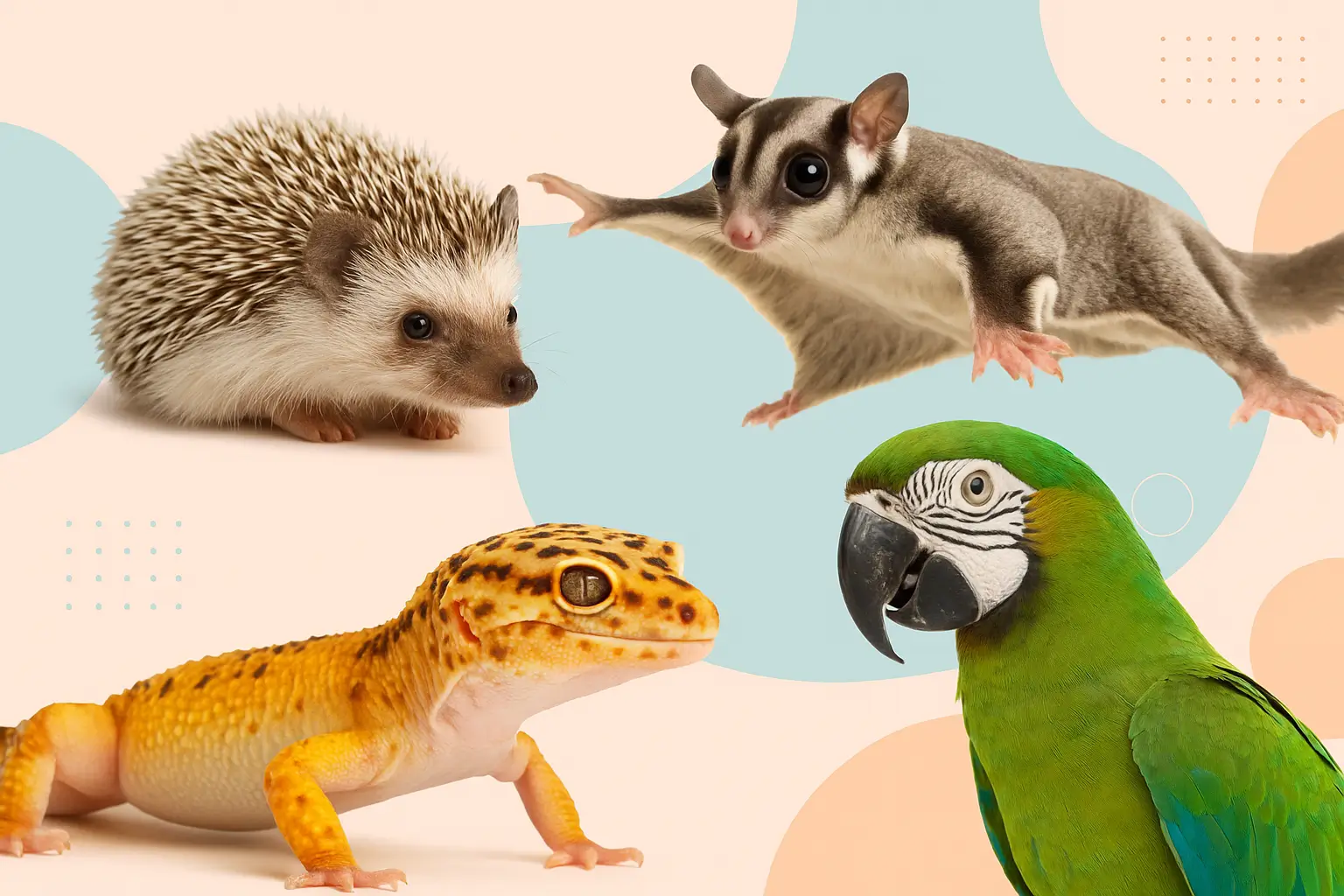
When we think of pets, dogs, cats, or birds usually come to mind. But for adventurous animal lovers, the world of exotic pets offers a whole new level of excitement. From hedgehogs to axolotls, and from reptiles to sugar gliders, exotic animals bring uniqueness and wonder into our homes.
In this ultimate guide to the best exotic pets to own, we’ll explore fascinating species, their care requirements, pros and cons, and expert tips to help you decide which exotic pet is right for you.
1.What Are Exotic Pets?
Exotic pets are creatures that stand out for being uncommon, distinctive, and not typically found in the average household. They can range from reptiles and amphibians to unique mammals and birds. Owning one requires research, commitment, and sometimes special permits.
1. Characteristics of Exotic Pets
- Unique appearances and behaviors
- Special dietary and environmental needs
- Can be more sensitive to handling and care
- May require licenses in some regions
2. Factors to Consider Before Owning an Exotic Pet
Before bringing home an exotic animal, think carefully:
1. Legal Requirements
Some states or countries restrict ownership of exotic pets. Always check local laws.
2. Care and Environment
Many exotic animals require carefully managed living spaces such as heated lamps, aquariums, or specially designed enclosures.
3. Diet and Nutrition
They may require live insects, special food mixes, or fresh produce.
4. Time and Commitment
Exotic pets are fascinating but demand attention, research, and long-term responsibility.
3. The Best Exotic Pets to Own – Top 15 List
Let’s explore the best exotic pets to own that bring joy, uniqueness, and lasting companionship:
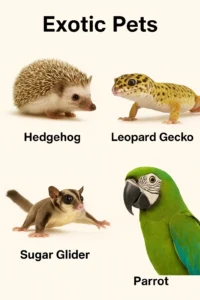
1. Hedgehogs
- Why they’re great: Cute, quiet, and low-maintenance.
- Care needs: Warm habitat, insect-based diet, regular socialization.
- Pros: Small, non-destructive, unique.
- Cons: Nocturnal, spiky when stressed.
2. Sugar Gliders
- Why they’re great: Social, playful, and bond strongly with owners.
- Care needs: Large cage, fruits, insects, and bonding time.
- Pros: Adorable, affectionate, gliding ability.
- Cons: Noisy at night, require lots of attention.

3. Axolotls
- Why they’re great: Unique aquatic salamanders that look like living Pokémon.
- Care needs: Cool water tank, worms, pellets.
- Pros: Low-maintenance, fascinating appearance.
- Cons: Sensitive to water conditions.
4. Bearded Dragons
- Why they’re great: Friendly reptiles with calm personalities.
- Care needs: UV light, heat lamp, insects, and vegetables.
- Pros: Easy to handle, interactive.
- Cons: Require specific lighting and diet.
5. Chinchillas
- Why they’re great: Softest fur in the animal kingdom, playful.
- Care needs: Dust baths, chew toys, large cages.
- Pros: Long lifespan, active.
- Cons: Don’t like high heat, delicate bones.
6. Tarantulas
- Why they’re great: Fascinating spiders with low-maintenance care.
- Care needs: Simple terrarium, crickets or insects.
- Pros: Easy to keep, interesting.
- Cons: Not cuddly, may cause fear in visitors.
7. Ferrets
- Why they’re great: Mischievous, intelligent, and playful.
- Care needs: Spacious cage, lots of toys, meat-based diet.
- Pros: Entertaining, social.
- Cons: Need constant supervision, can smell musky.
8. Exotic Birds (Parrots, Macaws, Cockatoos)
- Why they’re great: Colorful, intelligent, talkative.
- Care needs: Large cages, fresh fruits, and daily interaction.
- Pros: Social, live long lives.
- Cons: Noisy, need a lot of care and stimulation.
9. Ball Pythons
- Why they’re great: Gentle snakes perfect for beginners.
- Care needs: Terrarium with heat lamp, rodents for food.
- Pros: Docile, easy to handle.
- Cons: Scary for some, specific habitat needs.
10. Hermit Crabs
- Why they’re great: Fun, tiny pets with low costs.
- Care needs: Sand habitat, fresh and salt water.
- Pros: Cheap, easy to care for.
- Cons: Not cuddly, short lifespan.
11. Koi Fish
- Why they’re great: Beautiful, calming aquatic pets.
- Care needs: Outdoor pond or large tank, proper filtration.
- Pros: Peaceful, stunning colors.
- Cons: Require space and clean water.
12. Leopard Geckos
- Why they’re great: Friendly reptiles that thrive with little effort.
- Care needs: Warm terrarium, insects.
- Pros: Easy to care for, great for beginners.
- Cons: Nocturnal, fragile tails.
13. Fennec Fox
- Why they’re great: Small fox with giant ears and playful personality.
- Care needs: Secure enclosure, meat-based diet.
- Pros: Unique, intelligent, energetic.
- Cons: Not legal everywhere, need space.
14. Iguanas
- Why they’re great: Majestic reptiles with dinosaur-like looks.
- Care needs: Large terrarium, UVB lighting, leafy greens.
- Pros: Impressive presence, vegetarian.
- Cons: Can grow very large, not for beginners.
15. Scorpions
- Why they’re great: Fascinating invertebrates with minimal needs.
- Care needs: Warm terrarium, insects.
- Pros: Low-maintenance, exotic.
- Cons: Can sting, not suitable for handling.
4. Pros and Cons of Owning Exotic Pets
1: Pros
- Unique companions
- Fascinating behaviors
- Often less space required (for reptiles, small mammals)
- Conversation starters
2: Cons
- Legal restrictions
- Special diet and environment
- Expensive veterinary care
- Not always cuddly or interactive
The best exotic pets to own offer unique joy, yet require special care, cost, and commitment.
5. Tips for First-Time Exotic Pet Owners
1: Research First
Study the species thoroughly before buying.
2: Find a Reputable Breeder
Never buy exotic pets from illegal markets.
3: Start with Beginner-Friendly Pets
Beginners often do well starting with pets like hedgehogs, bearded dragons, or leopard geckos.
4: Create the Right Habitat
Temperature, humidity, and diet matter a lot.
5: Regular Veterinary Care
Find an exotic pet veterinarian near you.
6. Detailed Care Guide for the Best Exotic Pets to Own
Owning exotic pets is rewarding but requires preparation. Below, you’ll find expanded details on habitat, diet, cost, and lifespan for each of the most popular species.
1: Hedgehogs – The Tiny Spiky Companions
Hedgehogs are increasingly loved as pets thanks to their cute look and easy-to-manage size. These nocturnal mammals typically live 4–7 years with proper care.
- Habitat: Provide a roomy enclosure with good airflow and an exercise wheel. Bedding should be soft and dust-free.
- Diet: Being insect-eaters, they thrive on protein-rich cat food, mealworms, or specially formulated hedgehog diets.
- Cost: Initial setup can be around $200–$400, while monthly care costs are relatively low.
- Personality: Shy at first but bond with gentle handling. They roll into a ball when frightened, using their quills as defense.
2: Sugar Gliders – The Pocket-Size Flyers
Sugar gliders are marsupials from Australia known for their ability to glide between trees. With the right care, their lifespan can range from 10 to 15 years.
- Habitat: Large vertical cages with branches, ropes, and pouches for climbing.
- Diet: A mix of fruits, vegetables, insects, and nectar-based foods.
- Behavior: Highly social creatures, they do best in pairs or groups and often build strong bonds. They can bond deeply with owners if handled daily.
- Challenges: If left alone too often, they can become stressed or depressed.

3: Axolotls – The Water Dragons
Axolotls, often called “walking fish,” are actually salamanders that remain aquatic throughout their lives. They can live 10–15 years if their environment is well-maintained.
- Habitat: A 20-gallon tank with cool, clean water. Avoid powerful filters, since axolotls feel more comfortable in still or gently moving water.
- Diet: Bloodworms, earthworms, and sinking pellets.
- Care Tip: Never handle axolotls excessively; their skin is delicate and easily damaged.
- Unique Feature: They can regenerate lost limbs, making them fascinating pets for science enthusiasts.
3: Bearded Dragons – The Friendly Reptiles
Bearded dragons are one of the most recommended reptiles for beginners due to their docile and interactive nature. They live around 8–12 years.
- Habitat: A terrarium with UVB lighting and heat lamps, maintaining a basking spot at 95–100°F.
- Diet: Omnivorous—enjoy insects (crickets, mealworms) and vegetables (collard greens, carrots).
- Behavior: Known for waving their arms and puffing out their “beard” as communication.
- Cost: Setup can range between $300–$500 with lighting and heating equipment.
4: Chinchillas – Soft and Social
Chinchillas are famous for their ultra-soft fur. With the right care, they can live up to 15 years.
Habitat: Multi-level cages with ramps, wheels, and plenty of chew toys.
Diet: Primarily hay, pellets, and occasional dried fruit treats.
Care Tip: Provide dust baths several times a week to keep their fur healthy.
Behavior: Active and playful but prefer cooler environments. They don’t tolerate heat above 75°F.
5: Ferrets – The Mischievous Explorers
Ferrets are intelligent and endlessly curious. They can live around 6–10 years.
- Habitat: Large cages with hammocks, tunnels, and plenty of play space.
- Diet: Strictly carnivores—high-protein kibble or raw diet.
- Behavior: Extremely playful, enjoy hide-and-seek, and love interacting with people.
- Challenge: Ferrets require daily exercise outside their cages, so supervision is essential.
6: Parrots & Exotic Birds – The Feathered Talkers
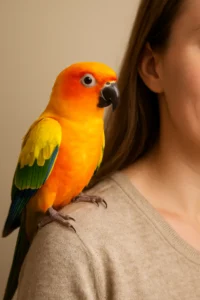
Parrots, cockatoos, and macaws are intelligent birds that can live for decades—some even up to 60–80 years.
- Habitat: Large cages or aviaries with climbing perches and toys.
- Diet: A mix of seeds, nuts, fruits, and vegetables.
- Behavior: Many species learn to mimic human speech and form strong bonds.
- Challenge: They need daily interaction and mental stimulation to prevent behavioral issues.
7. Costs of Keeping Exotic Pets
While exotic pets are fascinating, potential owners must be prepared for the costs involved.
1: Initial Setup Costs
Enclosures, heat lamps, aquariums, and cages can cost anywhere from $100–$1,000 depending on the pet.
2: Monthly Care Costs
Food, bedding, cleaning supplies, and enrichment range from $20–$100+ per month.
3: Veterinary Expenses
Exotic vets charge more than regular pet clinics. Annual check-ups can range from $50–$200, while emergencies may be higher.
8. Legality of Owning Exotic Pets
Not all exotic pets are legal everywhere.
1: Countries with Restrictions
- USA: Some states restrict ownership of sugar gliders, hedgehogs, and large reptiles.
- UK & EU: Certain exotic species require a Dangerous Wild Animals (DWA) license.
- Australia: Strict biosecurity laws limit exotic pets to protect native wildlife.
👉 Care Tip: Before choosing the Best Exotic Pets to Own, always check your local wildlife laws to ensure safe, legal ownership.
9. Common Mistakes Exotic Pet Owners Make
1: Buying Without Research
Impulse buying is the biggest mistake—many pets are surrendered when owners realize the commitment needed.
2: Improper Diet
Feeding the wrong food can lead to health issues. Exotic pets often need species-specific diets.
3: Neglecting Environmental Needs
Inadequate heat, humidity, or lighting can lead to serious health issues.
4: Underestimating Longevity
Some exotic pets live decades. Parrots, for example, may outlive their owners.
10. Best Exotic Pets for Beginners vs. Advanced Owners
1: Beginner-Friendly Exotic Pets
- Hedgehogs
- Leopard geckos
- Bearded dragons
- Hermit crabs
2: Intermediate Exotic Pets
- Chinchillas
- Ferrets
- Exotic birds
3: Advanced Exotic Pets
Fennec foxes
Iguanas
Scorpions and tarantulas (require special handling and care)
The best exotic pets to own vary by experience, from beginner-friendly choices to advanced companions.
FAQs about Best Exotic Pets to Own
1. Which exotic pet requires the least amount of care?
Leopard geckos and hedgehogs are beginner-friendly due to their low maintenance.
2. Are exotic pets safe to keep at home?
Yes, if legal in your region and cared for properly. Always research species.
3. Do exotic pets need special diets?
Yes, many require insects, live food, or fresh produce.
4. Which exotic pets are legal in most countries?
In many places, pets like hedgehogs, chinchillas, leopard geckos, and bearded dragons are allowed by law.
5. Can exotic pets bond with humans?
Yes! Sugar gliders, ferrets, and parrots form strong bonds with their owners.
6. What exotic pet is cheapest to own?
Hermit crabs and tarantulas are inexpensive and easy to maintain.
Conclusion
Owning an exotic pet is an adventure filled with learning and wonder. Whether it’s a playful sugar glider, a calm bearded dragon, or a majestic parrot, the best exotic pets to own are the ones that match your lifestyle and commitment.
Remember: research, legal checks, and proper care are essential. Exotic pets aren’t just “cool animals”—they’re living beings that deserve love, respect, and a safe environment.





One thought on “Best Exotic Pets to Own – A Complete Guide for Animal Lovers”