


Best Highly Digestible Cat Food: How It Improves Digestion and Boosts Energy?
Many U.S. cat owners look for the best cat food for digestion when their pets have issues. Highly digestible cat food is made to help more nutrients get absorbed. This leads to less stool, fewer stomach problems, and more energy for cats.
There are many types of cat food, from wet to dry, and even special diets. Brands like Royal Canin and Hill’s Science Diet offer these options. Choosing the right food can make your cat’s stool firmer, reduce vomiting, and keep their energy up.
For cats with food sensitivities, finding the right food is key. It can also improve their coat and immune system over time. We’ll look at guidelines, research, and nutrient analyses to help you choose the best highly digestible cat food for your cat.
Understanding Digestibility: Why Highly Digestible Cat Food Matters
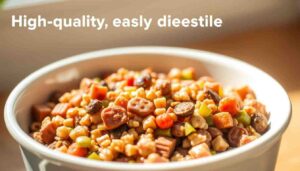
Digestibility is key to how well cats use nutrients from their food. Cats are meat-eaters with short intestines. They need high-quality animal proteins and fats for amino acids and energy.
When food is easy to digest, less waste goes to the colon. This reduces stool volume and gut irritation.
What digestion means for cats
Cats digest food with strong enzymes and bile. Young, healthy cats absorb nutrients well. But, age, dental issues, pancreatitis, or bowel disease can slow this down.
Protein digestibility is most important. Cats need amino acids for repair and immune function.
How digestibility is measured in pet food
Manufacturers use apparent digestibility coefficients to measure absorption. These compare nutrient intake with fecal output. AAFCO offers feeding-trial options and nutrient profiles to validate diets.
Lab methods like ileal digestibility give the most accurate data. Pet owners can use stool quality and activity as indicators.
Many brands publish protein digestibility or biological value. This shows how well the food is digested.
Signs your cat needs more digestible food
Look for chronic loose stools, frequent vomiting, and excess gas. Also, watch for weight loss, dull coat, low energy, and food sensitivities. Older cats and those with chronic conditions often need better digestion.
Health benefits beyond digestion: energy, coat, and immune support
Efficient nutrient absorption gives cats more energy and muscle maintenance. Essential fatty acids and vitamins improve skin and coat health.
Good absorption of vitamins A, D, and E, and minerals like zinc and selenium, boosts the immune system. This reduces gut inflammation and supports overall health.
| Digestibility Indicator | What to Watch | Owner Action |
|---|---|---|
| Stool quality | Firm, small stools; no mucus or blood | Try a formula marketed as highly digestible cat food and track changes for 2–4 weeks |
| Vomiting frequency | Rare or absent after meals | Switch to an easily digestible cat food and stagger feeding times; consult vet if persistent |
| Weight and body condition | Stable weight and lean muscle tone | Choose the best highly digestible cat food for digestion with high bioavailable protein and monitor weekly |
| Coat and skin | Shiny coat, minimal flaking, normal shedding | Use diets rich in omega-3 and omega-6 from quality sources and reassess after 6–8 weeks |
Top Ingredients and Formulas in Easily Digestible Cat Food
Choosing the right ingredients is key for cats with sensitive digestion. This guide covers proteins, carbs, fats, and gut-support blends. It helps improve tolerance and nutrient uptake. You’ll learn what to look for and what to avoid in cat food with high digestibility and for sensitive stomachs.
Protein sources with high digestibility
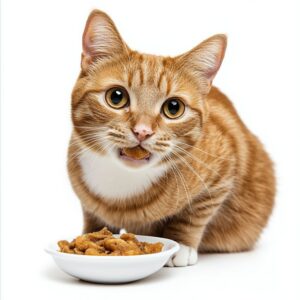
Named meats like chicken or turkey are best. They offer a strong amino acid profile and are easy to digest. Fish like salmon and whitefish provide digestible protein and omega-3s for skin and inflammation.
Novel proteins like rabbit or duck are good for elimination diets. Hydrolyzed proteins are great when food reactions occur. They are broken into small peptides that the immune system doesn’t recognize.
Role of digestible carbohydrates and limited fillers
Cats need minimal carbs. Cooked rice or sweet potato add gentle energy without stressing the gut. Avoid vague terms like “grain meals” and heavy corn or wheat fillers.
Low-residue formulas reduce stool bulk. They ease symptoms in cats with loose stools. This makes certain cat food formulas better for ongoing digestive issues.
Beneficial fats and fatty acids for energy and absorption
Animal fats and fish oil deliver concentrated energy. Omega-3s fight inflammation and support skin and joints. Balanced fat helps absorb fat-soluble vitamins while avoiding excess fat in cats at risk for pancreatitis.
Prebiotics, probiotics, and fiber blends for gut health
Prebiotics like fructooligosaccharides feed helpful bacteria. Probiotics like Enterococcus faecium and select Bifidobacterium strains stabilize gut flora. Soluble fibers help normalize stool consistency.
Brands like Purina Pro Plan Veterinary Diets, Hill’s Prescription Diet, and Royal Canin offer formulas with targeted fiber and probiotic blends. These products often rank among top rated cat food for sensitive stomachs when used under guidance.
Ingredients to avoid for sensitive stomachs
Avoid artificial colors, flavors, and preservatives like BHA or BHT. High amounts of soy, corn, or wheat are common triggers and tend to be less digestible.
Skip excessive dairy and ingredients containing onion or garlic, which are harmful to cats. Prefer named meat meals or whole muscle meats over ambiguous by-products when selecting cat food with high digestibility.
| Ingredient Category | Good Choices | Why It Helps | What to Avoid |
|---|---|---|---|
| Proteins | Chicken, turkey, salmon, rabbit, hydrolyzed proteins | High amino acid availability; lower immune reactivity with hydrolyzed options | Unnamed “meat” or mixed by-products |
| Carbohydrates | Cooked rice, sweet potato | Gentle, digestible energy; low glycemic impact | High corn, wheat middlings, grain meals |
| Fats | Animal fats, fish oil (EPA/DHA) | Energy-dense; supports skin, joints, and fat-soluble vitamin uptake | Excessive total fat in pancreatitis-prone cats |
| Fibers and Gut Support | Fructooligosaccharides, psyllium, Enterococcus faecium | Balances microbiota; normalizes stool consistency | High insoluble fiber that can irritate some sensitive cats |
| Additives | Natural preservatives like mixed tocopherols | Preserves food without harsh chemicals | BHA, BHT, artificial dyes, flavors |
How to Choose the Best Cat Food for Digestion: Practical Buying Guide
Finding the highly digestible cat food is key for cats with digestive issues. Look for clear labels, tested recipes, and trusted brands. The goal is to find food that fits your cat’s age, weight, and health needs.
Reading labels: guarantees, ingredient order, and AAFCO statements
Start by checking the guaranteed analysis. Look at crude protein, fat, fiber, and moisture levels. Adult cats need more protein from named animal sources like chicken or salmon for better absorption. Low fiber is good for cats with loose stools.
Next, examine the ingredient list. Ingredients are listed by weight, so named meats and meals should be at the top. Whole-food carbs like brown rice or sweet potato are better than vague “grain” fillers.
Also, check the AAFCO statement. Foods validated by feeding trials or formulated to meet AAFCO profiles are more reliable. Brands like Hill’s Science Diet, Royal Canin, and Purina Pro Plan publish clinical data for their digestive lines.
Special formulas: limited ingredient, grain-free, hydrolyzed, and novel protein diets
Limited ingredient diets have fewer proteins and carbs. They simplify what your cat eats and can help find or avoid triggers. Grain-free formulas remove grains but don’t always mean better digestibility. Check the substitute carbs for suitability.
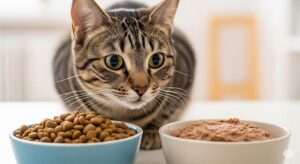
Hydrolyzed protein diets break proteins into tiny peptides to reduce immune reactions. They are often used under vet supervision for food allergies or inflammatory bowel disease. Novel protein diets use uncommon meats like rabbit or venison to bypass prior sensitivities.
Prescription gastrointestinal lines from Hill’s, Royal Canin, and Purina are designed to improve stool quality and nutrient uptake. Many of these diets are highly rated by vets and in clinical trials.
Transitioning your cat to a new highly digestible diet
Switch gradually over 7–10 days to avoid upset. Start with 25% new food and 75% old for two to three days. Then move to 50/50, then 75/25, then full. Very sensitive cats may need two to three weeks for a smooth change.
Watch for changes in stool consistency, vomiting, appetite, weight, and energy. Keep feeding times steady and avoid introducing multiple new foods at once. If signs worsen, pause the transition or slow the ratio changes.
When to consult your veterinarian and how to test tolerance
See a vet if digestive signs last more than 48–72 hours or if you notice weight loss, blood in stool, persistent vomiting, or severe lethargy. These symptoms may signal something beyond simple intolerance.
Vets can run fecal checks, bloodwork, imaging, pancreatic testing, or endoscopy with biopsy when needed. Under clinical supervision, an elimination trial with a hydrolyzed or novel protein diet for 8–12 weeks helps identify food allergies.
| Focus | What to Look For | Typical Timeline |
|---|---|---|
| Label analysis | Named meats/meals, protein % from animal sources, AAFCO feeding-trial statement | 5–10 minutes per product |
| Special formula choice | Limited ingredient for simplicity, hydrolyzed for allergy testing, novel protein for intolerance | Discuss with vet before switching |
| Transition plan | 25/75 to 100% over 7–10 days; extend to 2–3 weeks for sensitive cats | 1–21 days |
| Monitoring | Stool quality, vomiting, appetite, weight, energy | Daily during transition; weekly afterward |
| Veterinary testing | Fecal analysis, bloodwork, imaging, endoscopy if indicated; supervised food trials | Variable; tests and trials often span weeks |
Conclusion
Choosing the highly digestible cat food can really help your cat’s health. It can lead to better digestion, more energy, and a healthier coat. For cats with food sensitivities or stomach problems, the right food can make a big difference.
First, check what your cat is eating now. Look for foods with real meat and few fillers. Also, choose foods that have been tested for their benefits.
If your cat still has problems, try a new food for a few weeks. Do it slowly and watch how they react. This can help you find the best food for them.
If your cat’s problems get worse, like losing weight or having blood in their stool, see a vet right away. They might need special food. Working with your vet can help find the best food for your cat’s health and energy.
FAQ
Q1. What is highly digestible cat food and how does it differ from regular formulas?
Highly digestible cat food is designed so your cat can absorb more nutrients with less stress on the stomach. These diets use quality proteins like chicken or fish, along with easy-to-digest carbs and fats. Many also include prebiotics, probiotics, or fiber blends to support gut health, especially for cats with sensitive stomachs.
Q2. How does a highly digestible diet improve energy and coat health?
When food digests more efficiently, your cat gets more nutrients. This fuels better energy, supports muscle health, and gives the coat a shinier, healthier look.
Q3. Which proteins are best for sensitive stomachs?
Named proteins like chicken or fish are ideal. For allergies, vets may recommend novel proteins or hydrolyzed diets that reduce reactions. Always avoid vague labels like “meat by-products.”
Q4. What ingredients should I avoid?
Artificial colors, preservatives, soy, corn, wheat, and vague meat terms can be harsh on digestion. Stick with clear ingredient lists and minimal fillers.
Q5. Is grain-free food always better?
Not necessarily. The quality of the carb matters more. Options like sweet potato or rice can be gentle and highly digestible.
Q6. How do I safely transition my cat to a new food?
Start slow: 25% new with 75% old for a few days, then gradually increase. Sensitive cats may need 2–3 weeks. If vomiting or lethargy worsens, slow down or consult a vet.
Q7. When should I see a vet?
If digestive issues persist, or if you notice blood, weight loss, or dehydration, see a vet promptly. They may run tests or recommend an elimination diet.
Q8. Wet vs dry—what’s better?
Both can work. Wet food adds hydration, while dry food can aid dental health. Sometimes a mix is best, depending on your cat’s health and preferences.
Q9. Do hydrolyzed diets require prescriptions?
Yes, most do. They’re used for allergies or IBD and are recommended when other diets fail.



One thought on “Best Highly Digestible Cat Food: How It Improves Digestion and Boosts Energy”