

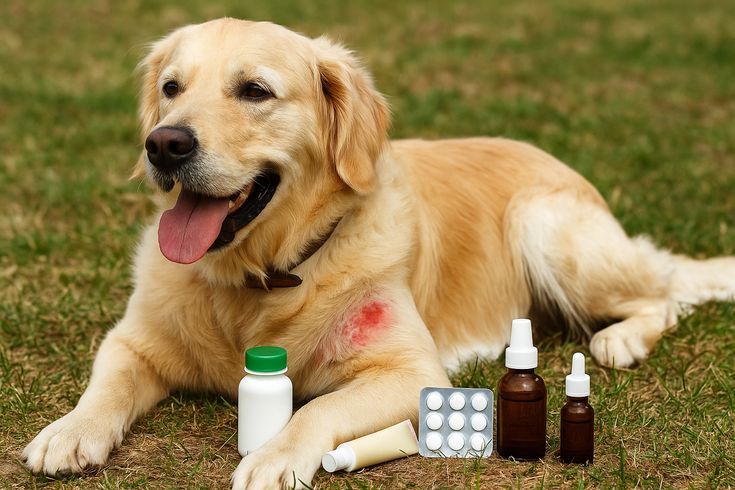
How to Skin Problems in Dogs Identifying and Treating: Expert Advice
Introduction
I still remember the night my Labrador started pacing and biting at his flank until dawn. The worry felt immediate and personal. It wasn’t just about his itching, but also about whether I could help at home or if I needed a vet. That moment taught me how crucial quick, clear steps are when facing skin problems in dogs.

This guide is a practical how-to for U.S. dog owners, breeders, and groomers. It aims to give clear answers on identifying and treating skin problems in dogs. You will find simple at-home observation tips, guidance on when to seek veterinary care, and an overview of medical and natural therapies for canine dermatological conditions.
We’ll move step by step: the basics of skin anatomy, common dog skin ailments, symptom recognition, home care, veterinary diagnostics, treatment options, prevention, and emergency signs. Throughout, the focus is on ensuring your dog’s comfort and long-term health by addressing dog skin issues promptly and effectively.
Understanding canine dermatological conditions
Healthy skin keeps a dog comfortable, warm, and protected. Learning about skin helps spot problems early. This section covers basic anatomy, its connection to health, and why some dogs get more skin issues.
Why dogs are prone to dermatological issues
Several factors increase the risk of skin problems in dogs. Environmental factors like pollens, mites, and fleas are big culprits. Washing dogs too much or using harsh shampoos can damage the skin. Diets lacking essential fatty acids can also weaken the coat.
Lifestyle and environment play a big role. Seasonal allergens make dogs scratch more in spring and fall. Indoor pets face household allergens. Outdoor dogs meet more insects and plant allergens. These factors shape the pattern and frequency of skin problems in dogs.
| Component | Role | Impact on dog skin issues |
|---|---|---|
| Epidermis | Surface barrier against water loss and microbes | Damage leads to infections, dry patches, and increased sensitivity |
| Dermis | Houses follicles, glands, nerves, and blood vessels | Inflammation causes hair loss, hotspots, and pain |
| Subcutis | Insulation and cushioning; fat storage | Thickness affects wound healing and insulation |
| Hair follicles & glands | Produce hair and protective oils | Blocked or infected glands lead to pustules and odor |
| Cutaneous microbiome | Balances commensal microbes and prevents pathogens | Imbalance causes overgrowth of bacteria or fungi |
| Breed/coat differences | Variation in hair density, length, and skin folds | Alters vulnerability to moisture, trauma, and allergens |
Common dog skin ailments and how to recognize them
Skin problems in dogs often start with simple signs. Owners might notice their dogs scratching, showing redness, or losing small patches of hair. Spotting these signs early can help treat the issue faster and make your dog more comfortable.
If you notice any of these signs, keep a record of when and how often they happen. Good notes help your vet diagnose and treat your dog’s skin problems effectively.
skin problems in dogs
It’s important to know if a skin problems in dogs is sudden or long-term. Acute problems show up quickly, often after an injury or new allergen. Chronic issues take longer to develop and might be linked to allergies or hormonal imbalances.
When to suspect a chronic versus acute condition
Look for quick signs like redness, swelling, or intense itching after a walk. These usually get better with quick treatment.
Chronic problems, like flaky skin or hair loss, come back often. They might be linked to allergies or hormonal issues. Keep track of when symptoms first appear and if they follow a pattern.
How to document symptoms for veterinary evaluation
Keeping a detailed log helps vets diagnose faster. Record when symptoms start, what changes you see, and where they are. Take photos from the same spot to show how things change over time.
Understanding breed predispositions and genetic factors
Some breeds are more likely to have skin problems. Bulldogs and Basset Hounds often get skin infections. Labrador and Golden Retrievers are more likely to have allergies.
Understanding your dog’s breed can help you and your vet prepare. Early grooming and targeted care can reduce skin issues. This improves your dog’s quality of life.
Identifying symptoms: visual and behavioral clues
Early detection is key when identifying skin problems in dogs. Look for visible changes and shifts in behavior that often precede a formal diagnosis. Small, consistent signs help point toward common dog skin ailments before they worsen.

Redness, swelling, and rashes to watch for
Check for erythema, papules, pustules, scaling, crusting, or petechiae. Note any localized swelling or malodorous discharge. The location matters: face, paws, and ventrum often indicate different causes. Mapping distribution helps narrow down causes of skin problems in dogs.
Excessive scratching, licking, and behavioral changes
Persistent scratching, chewing, and head shaking signal pruritus. Watch for avoidance of touch, sleep disruption, or increased irritability. Intensity of these behaviors tends to correlate with severity, making behavioral clues important when identifying skin problems in dogs.
Home examination and basic care steps
Doing a calm, methodical home exam is key to spotting skin problems in dogs early. It also helps with safe care at home. Make sure to work in good light and use clean hands or gloves for any skin breaks. Keep the sessions short to avoid stressing your pet.
Safe ways to inspect your dog’s skin and coat
Start by parting the hair on your dog’s back, flanks, and belly. Look for redness, flakes, or bumps. Check inside the ears, between the toes, under facial and skin folds, and around the ventral abdomen.
Bathing, grooming, and cleaning techniques for sensitive skin
Choose a medicated or hypoallergenic shampoo if your vet recommends it. Avoid overbathing as it can strip natural oils and make skin issues worse. Stick to a vet-directed bathing schedule.
U.S. veterinary practices often recommend brands like Virbac, Zoetis, and Elanco for topical care. Always use products as instructed and do not substitute human shampoos or topical medicines without vet approval.
Diagnostic approach used by veterinarians
Vets use a step-by-step method to diagnose dog skin issues. They start with a detailed history and physical exam. They ask about diet, environment, and when symptoms started.
They then check the dog’s coat and skin carefully. They look at ears, paw pads, and lymph nodes. This helps them figure out what might be wrong.
What to expect during a clinical skin exam
The vet will note the type, location, and pattern of any lesions. They look for signs of infection or allergies. This helps them find the cause of the problem.
They might also show you how to check the dog’s skin at home. This helps you take care of the dog’s skin better.
Common diagnostic tests: skin scrapes, cytology, cultures
Skin scrapes are used to find mites. They might do a deep scrape if needed. Cytology helps find bacteria and yeast.
Fungal cultures or a Wood’s lamp exam can find fungal infections. Bacterial cultures help with infections that don’t go away. PCR swabs are used for specific infections.
| Test | Purpose | When Used |
|---|---|---|
| Superficial/deep skin scrape | Detect mites (Sarcoptes, Demodex) | Pruritus, focal alopecia, unexplained dermatitis |
| Impression cytology / tape prep | Identify bacteria and yeast (Malassezia) | Oily skin, odor, recurrent infections |
| Fungal culture / Wood’s lamp | Detect dermatophytes (ringworm) | Patchy alopecia, scaling, household exposure |
| Bacterial culture & sensitivity | Guide targeted antibiotic therapy | Deep or recurrent pyoderma, treatment failure |
| PCR swab | Detect specific infectious agents | Atypical lesions or suspected uncommon pathogens |
Treating skin problems in dogs: medical therapies
Follow your vet’s advice on how long and how often to use these treatments. Many shampoos need at least five to ten minutes before rinsing. Using them too much can strip natural oils, so use them wisely.
Talk to your vet about risks, monitoring, and expected timelines before starting treatment. Clear communication and follow-up testing ensure treatment is safe and effective for pets with skin issues.
Natural and adjunctive remedies for dog skin issues
Many owners look for supportive options when treating skin problems in dogs. Safe adjunctive care can reduce inflammation, ease itching, and improve coat quality while a veterinarian investigates underlying causes.

Omega fatty acids, supplements, and diet adjustments
Omega‑3 and omega‑6 fatty acids from fish oil and flaxseed show clear benefits for skin and coat. Studies report reduced itchiness and lower inflammation in dogs given controlled doses. High‑quality supplements from companies with third‑party testing help ensure consistent potency.
Herbal and topical home remedies: evidence and safety
Colloidal oatmeal baths soothe irritated skin and have empirical support for calming redness and dryness. Pure aloe vera gel applied sparingly can provide short‑term relief for minor irritation when it is free of additives. Patch test small areas first and stop if irritation increases. Avoid prolonged use of human topical antibiotics or steroids without veterinary oversight.
Preventing recurring dog skin issues
Recurring skin problems in dogs often come from the home, diet, or gaps in routine care. Small changes can cut flare-ups and keep your pet comfortable. Here are some practical steps owners can use to reduce risk and spot trouble early.
Dietary strategies and maintaining a healthy coat
Feed a balanced diet with high-quality protein and named animal sources. Maintain ideal body condition and hydration. Offer fresh water and adjust calories to keep your dog at a healthy weight.
Maintain ideal body condition and hydration. Offer fresh water and adjust calories to keep your dog at a healthy weight. If food allergy is suspected, work with your veterinarian or a board-certified veterinary dermatologist on a controlled elimination trial.
Regular grooming and early detection routines
Set a weekly schedule for coat checks, ear inspections, and paw and interdigital exams. Short, frequent inspections help catch issues before they worsen.
Long-haired breeds benefit from professional grooming every 6–12 weeks to prevent matting and trapped moisture. Use gentle, veterinary-formulated shampoos when bathing and avoid over-bathing, which can strip healthy oils.
Special considerations by age, breed, and health status
Puppies, adults, and seniors have different skin issues. Knowing how age affects their immune system and healing is key. This knowledge helps in diagnosing and treating their skin problems.
Puppy concerns
Puppies often get juvenile demodicosis, puppy pyoderma, or dermatophytosis. Their immune systems are still growing. Early fungal infections like ringworm can spread in homes or shelters.
Quick vet visits and targeted treatments are crucial. They help stop the spread and prevent scarring.
Senior dog dermatology
Older dogs may have their immune system weakens with age, making them more prone to infections and cancer.
Medications can be more sensitive in older dogs. So, careful monitoring and dose adjustments are needed when treating their skin issues.
Allergic reactions and anaphylaxis risks
Watch for sudden swelling, hives, vomiting, or trouble breathing. If your dog’s face swells a lot or they have trouble breathing, get help fast. Anaphylaxis is a serious reaction that can happen quickly.
Things like insect stings or new vaccines can cause these reactions. Always be ready for emergencies.
Preparing for an urgent veterinary visit
Have a timeline of events and photos ready. List all your dog’s medications and recent treatments. Tell the vet about any new foods, plants, or bug bites.
Keep the number of your vet and a 24/7 emergency clinic handy. If you need to move your dog, keep them calm and avoid using home remedies.
| Emergency Sign | What to Do Before Arrival | Why It Matters |
|---|---|---|
| High fever or collapse | Keep warm, limit activity, record time symptoms started | Signals systemic infection or shock; needs rapid stabilization |
| Rapidly spreading swelling | Avoid pressure, photograph growth, seek immediate care | May indicate aggressive infection or allergic reaction |
| Severe draining or necrotic wounds | Cover loosely with clean cloth, do not apply ointments | Risk of sepsis and extensive tissue damage if delayed |
| Difficulty breathing or pale gums | Transport upright if possible, call clinic en route | Classic signs of anaphylaxis or respiratory compromise |
| Worsening dog skin issues despite home care | Bring list of treatments and supplements used | Helps vet choose targeted therapy and avoid interactions |
Conclusion
Spotting skin problems early is key. Look for changes in your dog’s coat, scratching, sores, or hair loss. This helps both you and your vet figure out what’s wrong.
Keeping good records is also crucial. Photos, dates, and descriptions can speed up diagnosis. This is especially true for common dog skin issues.
But, for the best results, combine these steps with vet-approved treatments. Topical shampoos and oral meds work well together.
Managing skin Problems in Dogs is a team effort. If problems don’t get better or get worse, see your vet. Or, a vet dermatologist. Use the tips from this article to help your vet help your pet.
FAQ
What are the most common skin problems in dogs and how can I spot them?
Dogs often deal with allergic dermatitis, flea bites, parasites, bacteria, and fungal infections. Watch for scratching, redness, hair loss, or constant licking. The location of the issue (paws, belly, face) can give clues about the cause.
How can I safely inspect my dog’s skin at home?
Check in good lighting, part the fur, and look at ears, paws, and belly. Use a white tissue to check for flea dirt. If there are open sores, wear gloves. Gently feel for lumps and note any changes or photos.
When should I visit a vet instead of trying home care?
If your dog’s skin issue spreads quickly, causes pain, or doesn’t improve, see a vet. Seek urgent help for swelling, breathing trouble, or allergic reactions.
What topical treatments help?
Vets may suggest medicated shampoos, soothing creams, or barrier ointments. Always follow their directions.
Can diet or supplements help?
Yes! Omega-3 and omega-6 fatty acids often reduce inflammation. For food allergies, a vet may recommend a special diet.
How do I prevent skin problems from coming back?
Keep bedding clean, groom regularly, use flea/tick control, and feed a balanced diet. Prevention is always better than cure.




One thought on “How to Skin Problems in Dogs Identifying and Treating: Expert Advice”