

How to Stop Dog Hair Loss Causes, Treatments, and Prevention Guide
Introduction
Whenever I run my hand across my dog’s fleece, I ca not help but notice how important its health reflects overall well- being. A candescent, thick fleece tells me my dog feels great, while lacing fur, bald patches, or inordinate slipping frequently set off alarms. However, chances are you’ve spotted unusual slipping in your furry friend, and you want to know how to stop it before it gets worse, If you’re then.
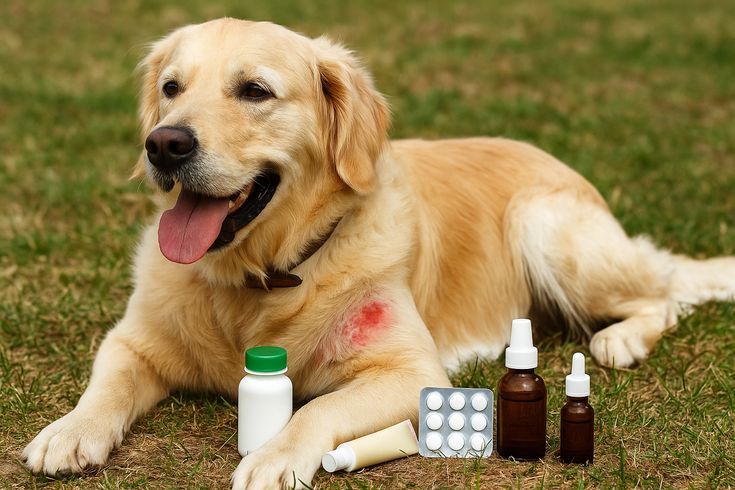
Dog Hair Loss can be a frustrating problem for both pets and possessors. It not only affects a dog’s appearance but can also gesture deeper health enterprises. That’s why I’ve created this detailed companion so you’ll know the causes, treatments, and forestallment styles that truly work.
When I see unusual slipping, I do not ignore it, because it generally means commodity more serious is going on. Dog’s can lose hair for reasons similar as:
- disinclinations caused by food or the terrain
- spongers like fleas or diminutives
- Hormonal imbalances
- Stress or poor nutrition
1. Understanding Dog Hair Loss
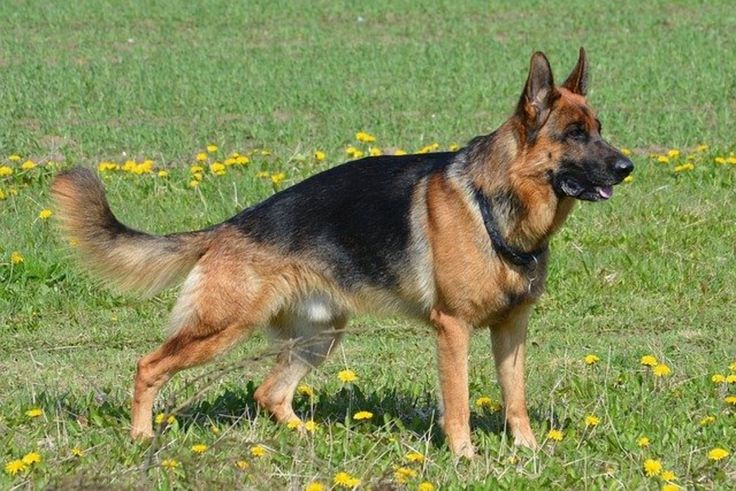
Before jumping into results, it’s important to understand what exactly counts as dog hair loss. Slipping is fully normal for utmost types. Dogs exfoliate to get relieve of old hair and make way for new growth. Seasonal shedding also happens further in double- coated types like Huskies and German Goatherds.
The problem begins when your dog loses further hair than usual, especially if you see bald spots, lacing patches, or bothered skin. That’s when slipping becomes dog hair loss, and it deserves your attention.
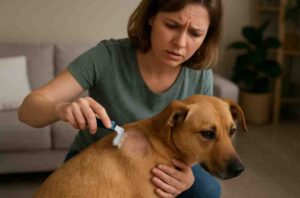
Signs of concerning dog hair loss include:
- unforeseen bald patches that spread snappily
- inordinate scratching or smelling at the skin
- Red, short, or cruddy skin that worsens over time
- Hair breaking rather of slipping typically
- Foul odor from the fleece or skin
Still, your dog’s shedding is not routine it’s a warning sign, If you notice these symptoms. When I first saw these signs in my dog, I realized the before you catch them, the easier it’s to stop the condition from raising into commodity harder to manage.
2. Common Causes of Dog Hair Loss
Over the times, I’ve learned that chancing the cause is the most important step. You ca not fix canine hair loss if you do not know what’s behind it. Dog are unique, and what triggers slipping in one may not be the same for another. That’s why it’s important to look at all possible causes.
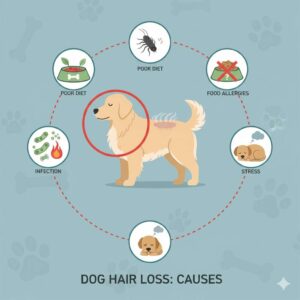
Then are the main lawbreakers
Allergies
Allergies are a leading cause of dog hair loss. Food allergies, flea allergies, and environmental triggers like pollen or dust diminutives can make dogs itchy. Once scratching thresholds, hair loss follows.
Common mislike signs include:
- Patient paw shellacking
- Observance infections or head shaking
- Rashes on the belly or legs
Spongers
External spongers similar as fleas, ticks, and diminutives beget grim itching. Mange, caused by diminutives, is ignominious for patchy dog hair loss. These pests damage the skin and fleece if not treated snappily.
When spongers are the cause, I’ve seen dog scrape and suck constantly, which only makes the bald spots worse. Prevention is always easier than cure.
Infections
Bacterial, incentive, or fungal infections( like ringworm) produce bald patches. They frequently come with greenish ness, odor, or scaled skin. Left undressed, these infections worsen dog hair loss and spread to other pets .
Hormonal Imbalances
Conditions similar as hypothyroidism and Cushing’s complaint disrupt normal hair growth. However, a hormone imbalance might be the cause, If your dog feels sluggish or earnings weight along with dog hair loss.
Poor Nutrition
A dog’s fleece thrives on nutrients. Lack of protein, omega- 3 adipose acids, and vitamins like biotin leads to brittle hair and weak follicles. Bad diet is one of the easiest causes of dog hair loss to fix.
Signs of nutrition- related fleece issues include:
- Sot, dull fur
- Brittle hair that breaks fluently
- short or itchy skin
- Stress & Anxiety
Dog occasionally over-groom when anxious. inordinate shellacking or chewing creates bald patches. Moving to a new home, loud noises, or loneliness can all detector stress- related dog hair loss.
strain-Specific Conditions
Certain types, like Chihuahuas, Dachshunds, and Dobermans, are genetically more prone to dog hair loss. In these cases, operation is more realistic than a complete cure.
3. Treatments for dog Hair Loss
Once I know the cause, I concentrate on treatments. Flash back, there is not a one- size- fits- all cure for dog hair loss. The right result depends on the problem.
Veterinary opinion
I always recommend seeing a warhorse first. They may perform skin leavings, blood tests, or mislike testing to pinpoint the root cause of dog hair loss. Skipping this step frequently wastes time with the wrong remedies.
A proper opinion allows the warhorse to:
- Identify spongers with skin leavings
- descry disinclinations through blood or patch testing
- Spot hormonal issues with lab results
Medical Treatments
- Anti-parasitic drug clears fleas, ticks, and diminutives.
- Antibiotics or antifungals handle bacterial and fungal infections.
- Antihistamines or steroids reduce itching from disinclinations.
- Hormone remedy may be specified for thyroid or adrenal issues causing dog hair loss.
When I used warhorse- specified treatments, I noticed results important faster than when I tried arbitrary remedies. The right drug can turn effects around within weeks.
Natural Remedies & Supplements
Some natural options support fleece health
- Omega- 3 adipose acids strengthen hair and reduce inflammation.
- Biotin and zinc ameliorate skin and fleece condition.
- Coconut oil painting soothes dry skin when applied topically.
- Medicated soaps reduce itching and support mending.
These remedies do not always replace drug but can make recovery from dog hair loss smoother and help rush.
Life adaptations
Reducing stress, furnishing exercise, and keeping the terrain clean can dramatically ameliorate dog hair loss over time. Simple changes like harmonious grooming and sponger forestallment go a long way.
4. Precluding dog Hair Loss
I believe forestallment is always better than cure. These way help me keep my dog’s fleece full and healthy, while reducing the threat of dog hair loss.
Balanced Diet
High- quality dog food with real protein, healthy fats, and vitamins is non-negotiable. I also add fish oil painting for omega- 3s to fight off canine hair loss naturally.
crucial nutrients for fleece health include:
- Protein for strong hair growth
- Omega- 3 adipose acids for skin hydration
- Biotin and zinc for candescent fur
Regular Grooming
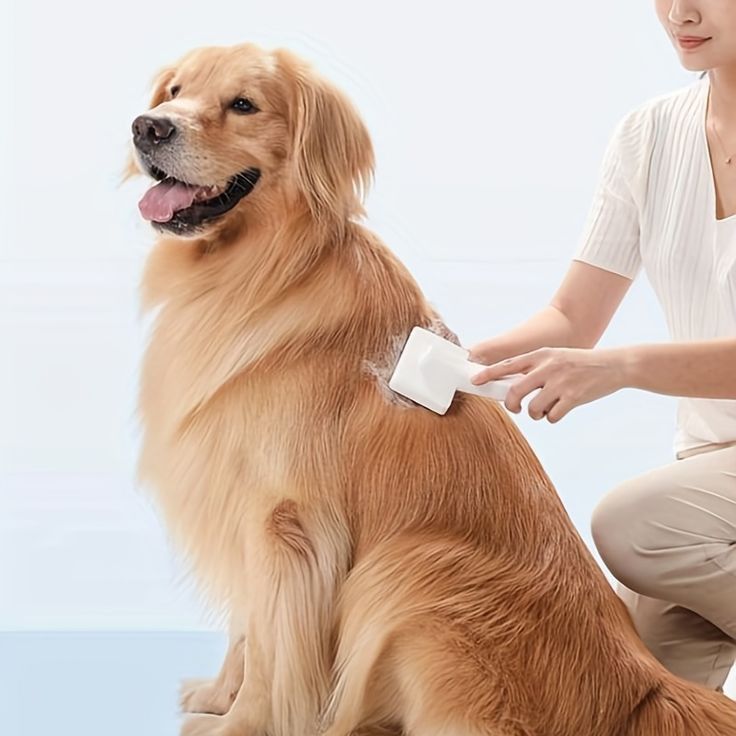
Brushing removes loose hair, prevents mats, and stimulates skin rotation. Bathing with gentle soaps every many weeks keeps the fleece clean. harmonious grooming is one of my strongest defenses against dog hair loss.
sponger Prevention
I use warhorse- approved flea and tick precautions. Clean coverlet and regular vacuuming stop infestations before they beget dog hair loss.
Reducing Stress
A predictable routine, exercise, and toys keep my canine’s mind busy. Calm dog’s infrequently over-groom, which reduces stress- convinced dog hair loss.
Routine warhorse Visits
Periodic check- ups help me catch health issues before they progress to severe dog hair loss. Beforehand discovery saves both time and plutocrat.
5. When to See a warhorse
Not every case of dog hair loss needs exigency care, but there are advising signs I no way ignore:
- Bald patches with blisters or bleeding
- Constant scratching or biting
- unforeseen, unexplained slipping
- Bad odor from the skin
- Fatigue or weight gain along with hair loss
Still, I do not stay, If I see these signs. Early treatment means briskly recovery and lower suffering for my dog. By acting snappily, I give my dog the stylish chance at getting a healthy fleece back.
Conclusion
Dealing with dog hair loss can feel inviting, especially when you first notice bald spots or unusual shedding, but once you understand the causes, the results come clearer and easier to manage. I’ve seen how a thoughtful blend of good nutrition, regular grooming, sponger forestallment, and stress operation can fully transfigure a dog’s fleece over time. The important thing is to take action beforehand. Do not ignore thinning fur or red, bothered patches — address them right down before they turn into bigger health problems that beget your dog discomfort.
Your dog deserves comfort, confidence, and the joy of a healthy fleece that shines with vitality. By following these strategies constantly, you’ll not only stop dog hair loss but also give your furry friend the gift of better health, advanced energy, and lesser happiness every single day.
FAQs
Q1. Why does my dog have areas of missing hair?
Patchy dog hair loss generally comes from spongers like fleas and diminutives, disinclinations, or fungal infections. occasionally it’s due to localized stress chewing. A warhorse test helps pinpoint the exact cause and rules out more serious conditions so your canine gets the right treatment snappily.
Q2. Can dog food cause hair loss?
Yes. Poor- quality food or disinclinations to constituents like soy, sludge, or certain proteins can lead to dog hair loss. Switching to ultra expensive food with natural constituents and added omega- 3 adipose acids helps ameliorate fleece health. Always look for balanced nutrition with smaller paddings.
Q3. What home remedies help with dog hair loss?
Omega- 3 adipose acids, coconut oil painting massages, and oatmeal cataracts soothe itchy skin and reduce dog hair loss. Apple cider ginger rinses can also help fight mild skin infections. still, I always combine home care with veterinary guidance so the root cause is duly addressed.
Q4. How do I know if my dog’s hair loss is serious?
Still, greenish ness, scabs, If dog hair loss comes with blisters. That’s when I take my canine to the warhorse incontinently because it frequently means an beginning medical issue that wo not ameliorate on its own.
Q5. Can stress beget dog hair loss?
Absolutely. Stress leads to actions like inordinate shellacking, biting , and over-grooming, which directly beget dog hair loss. Changes in the ménage, lack of exercise, or separation anxiety can make it worse. Reducing stress through routines, playtime, and internal stimulation makes a big difference.
Q6. Which types are more prone to hair loss?
Chihuahuas, Dachshunds, Greyhounds, and Dobermans are more prone to inheritable dog hair loss, though any strain can witness slipping problems due to diet, spongers, or health conditions. Knowing your strain’s pitfalls helps you take preventative way beforehand to cover their fleece.
One thought on “How to Stop Dog Hair Loss Causes, Treatments, and Prevention Guide”