

Best Pet First Aid Basics: Keep Your Dog or Cat Safe
Introduction
As a pet parent, I know the joy and unconditional love that dogs and cats bring into life. But I also know how quickly accidents and emergencies can happen. One moment your furry friend is playing happily, and the next, they might cut a paw, choke on a toy, or collapse from heatstroke. In those critical moments, every second counts. That’s why I always remind other pet parents about the importance of learning Pet First Aid.
In this blog, I’ll share everything I have learned about Pet First Aid—from building a reliable first aid kit to handling common emergencies. My goal is to help you feel confident and prepared to protect your dog or cat when something unexpected happens.
1. Understanding Pet First Aid
Before I go into details, let’s clear up one thing: Pet First Aid does not replace veterinary care. Instead, it bridges the gap between the moment an accident occurs and the time you reach a vet. It’s about giving your pet immediate, potentially life-saving help.
Think of Pet First Aid as stabilizing your pet until expert care is available. For example, if your dog starts choking, the steps you take in those few seconds could mean the difference between life and death.
2. Why Pet First Aid is Essential
When I first brought my puppy home, I underestimated the number of hazards in everyday life. Loose wires, small chewable objects, toxic plants, and even leftover food on the table can be dangerous. I quickly realized how crucial Pet First Aid is in preventing minor issues from turning into emergencies.
- A small cut left untreated can get infected.
- A heatstroke ignored for a few minutes can turn fatal.
- A choking episode can quickly block airways completely.
Knowing Pet First Aid empowers you to act fast, stay calm, and give your pet the best chance of recovery.

3. Must-Have Pet First Aid Kit
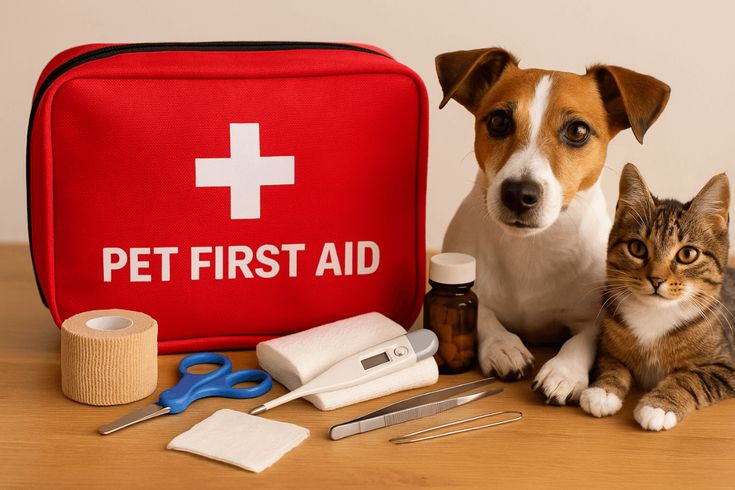
Every pet parent should have a Pet First Aid kit at home and in the car. You never know when you’ll need it, and trust me, scrambling around the house in panic won’t help.
Here’s what I recommend keeping in your kit:
- Sterile bandages and gauze – for cuts and bleeding
- Antiseptic wipes and solution – to clean wounds
- Tweezers – to remove splinters or ticks
- Digital thermometer – to check for fever or heatstroke
- Latex or rubber gloves – to keep things hygienic
- Scissors with blunt ends – to cut tape or fur safely
- Instant cold pack – to reduce swelling
- Emergency blanket – to keep your pet warm during shock
- Saline solution – to flush out eyes or wounds
- Muzzle – not for punishment, but to protect you if your pet is in pain
I keep my kit in an easy-to-grab container, and I refresh it regularly. I suggest you do the same. A ready Pet First Aid kit saves time when seconds matter.
4. Common Pet Emergencies & First Aid Tips
This is where preparation truly pays off. Emergencies often catch you off guard, but if you know the right Pet First Aid basics, you can step in quickly and effectively.
1. Cuts, Scrapes, and Bleeding
If your dog or cat has a minor cut, wash the wound with saline, apply antiseptic, and cover it with a bandage. If bleeding doesn’t stop after 10 minutes of firm pressure, seek a vet immediately.
2. Choking or Blocked Airway
Signs of choking include pawing at the mouth, coughing, or difficulty breathing. Open the mouth carefully and remove visible objects. If nothing is visible, perform the Heimlich maneuver for pets. This is one of the most critical Pet First Aid skills to learn.
3. Heatstroke & Dehydration
Pets can’t handle heat like humans. Symptoms include excessive panting, drooling, and weakness. Move your pet to a cool place, place wet towels on their body, and offer small sips of water. Never give ice-cold water, as it can shock their system. Quick Pet First Aid can save their life.
4. Poisoning
Common toxins include chocolate, onions, grapes, cleaning supplies, and some houseplants. If poisoning occurs, don’t make your pet vomit unless a vet instructs you. Call your vet or poison helpline immediately while keeping your pet calm and safe.
5. Seizures
If your pet has a seizure, don’t restrain them. Move objects out of the way and keep them safe until it passes. Afterward, comfort them and contact your vet. Seizures are frightening, but staying calm and applying the right Pet First Aid makes all the difference.
6. Fractures & Sprains
If your pet suddenly limps or can’t put weight on a leg, immobilize the area using a splint or towel wrap. Transport them gently to the vet. Remember, Pet First Aid is about preventing further harm, not fixing the injury completely.
5. Pet CPR & Rescue Breathing
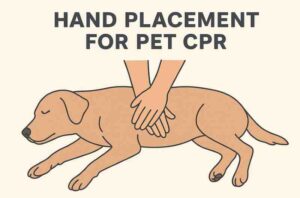
One of the most advanced yet vital Pet First Aid techniques is CPR. If your pet stops breathing, here’s what I do:
- Lay your pet on their side.
- Check for a heartbeat.
- For small dogs and cats, cover the nose and mouth with your mouth and gently blow. For larger dogs, close the mouth and blow into the nose.
- Give 30 chest compressions for every 2 rescue breaths.
6. Preventive Care for Pet Safety
The best Pet First Aid tip I can give is prevention. Here are a few habits that make a huge difference:
- Schedule regular vet visits and vaccinations.
- Keep toxic foods, chemicals, and small objects out of reach.
- Supervise pets during play to prevent choking hazards.
- Train your pet to avoid risky behavior like running into the street.
Simple steps like these reduce the likelihood of needing emergency Pet First Aid.
7. Handling Eye Injuries
Eye injuries are something I take very seriously because even a small scratch or irritation can turn into a major problem for a pet. If your dog or cat starts squinting, tearing excessively, or pawing at their face, you need to step in quickly. Using the right steps of Pet First Aid can protect their vision and reduce discomfort.
Here’s what I recommend doing:
- Flush the eye gently with sterile saline solution from your Pet First Aid kit.
- Avoid rubbing or touching the eye, as it can worsen the injury.
- Watch for signs like redness, swelling, or pus that may indicate infection.
- Never use human eye drops unless your vet has prescribed them specifically for your pet.
If the irritation doesn’t ease or if there’s a visible object stuck in the eye, contact your vet immediately. Sometimes, what looks like a minor problem can actually be a scratch on the cornea. Having the confidence to provide proper Pet First Aid for eye injuries not only calms your pet but also prevents long-term damage to their eyesight.
8. Insect Bites and Stings
I’ve lost count of how many times I’ve seen pets suddenly yelp or jump after being stung by a bee or bitten by ants. It happens quickly, and while many stings are harmless, some trigger dangerous allergic reactions. Knowing how to handle these with Pet First Aid helps prevent panic and keeps your furry friend safe.
Steps you can take include:
- Look for swelling, redness, or bite marks on the skin, especially around the paws, face, and belly.
- Apply a cold compress wrapped in cloth to the swollen area to reduce pain and inflammation.
- Keep your pet calm and still since movement can worsen swelling.
- Watch for signs of a severe allergic reaction like excessive drooling, difficulty breathing, or facial swelling.
For mild bites, these measures are usually enough. But if your pet shows any alarming symptoms, head to the vet immediately. Some pets, like people, are more sensitive than others. Having insect sting management included in your Pet First Aid knowledge means you’ll never waste precious time figuring out what to do in the heat of the moment.
9. Handling Shock in Pets
Shock is one of the most overlooked emergencies I’ve seen pet parents deal with, but it’s also one of the most dangerous. When a pet goes into shock, their organs don’t get enough blood, and this can quickly become fatal if ignored. The right Pet First Aid steps can keep them alive long enough to reach a vet.
Here’s how I respond if I suspect shock:
- Check for pale gums and rapid heartbeat, which are common signs of shock.
- Lay your pet on their side and keep them still to avoid stress on the body.
- Cover your pet with a blanket or towel to maintain warmth.
- Avoid giving food or water until your vet instructs otherwise.
Shock often happens after major trauma, poisoning, or blood loss, so the cause can be very serious. Once stabilized, your pet still needs immediate veterinary care. Still, these Pet First Aid measures buy you precious time and can prevent further decline. Remember—your calm and timely response is the most powerful tool in such situations.
10. Final Thoughts
I never want to scare pet parents, but emergencies are a part of life. Being unprepared only makes things worse. By learning Pet First Aid, building a kit, and practicing basic techniques, you give your pet the best chance to stay safe.
Remember, your dog or cat depends on you in every situation. Having Pet First Aid knowledge turns fear into action—and action can save lives.
FAQs
1. What should I do if my dog or cat stops breathing?
Start Pet First Aid immediately by checking for a heartbeat, then begin CPR and rescue breathing if necessary. Call your vet right away.
2. Can I use human first aid supplies for my pet?
Yes, many items like bandages and gauze are safe. However, always have a dedicated Pet First Aid kit because some human products (like certain ointments) are toxic to pets.
3. How do I know if my pet needs immediate vet attention?
If bleeding won’t stop, breathing is difficult, or your pet is unconscious, use Pet First Aid to stabilize them and get to a vet without delay.
4. Is it safe to give my pet human medicine in emergencies?
Never give human medicine unless your vet specifically instructs it. Many are poisonous to pets, even in small amounts. Rely on Pet First Aid techniques until professional care is available.
5. What are the most common pet emergencies at home?
Cuts, choking, poisoning, and heatstroke are the ones I’ve seen most. Learning Pet First Aid for these situations is crucial.
6. Should I take a certified pet first aid course?
Absolutely. Hands-on training improves confidence, especially for techniques like CPR. Online resources are helpful, but a real course makes you better prepared for Pet First Aid emergencies.





One thought on “Best Best Pet First Aid Basics: Keep Your Dog or Cat Safe”