


10 Powerful Pet Dental Care Tips Every Pet Owner Must Know
Introduction
When I first became a pet parent, I thought brushing, feeding, and playtime were enough to keep my furry friend happy. What I didn’t realize was how much oral health affects overall well-being. Neglecting Pet Dental Care can lead to gum disease, tooth loss, and even infections that spread to vital organs like the heart, liver, or kidneys. That’s when I decided to make dental care a regular part of my pet’s routine—and the difference has been incredible.
In this post, I’ll share 10 powerful tips that make Pet Dental Care simple, effective, and stress-free. These are practical strategies I’ve used myself, so you can start right away without feeling overwhelmed.
Why Pet Dental Care Matters
I once thought bad breath was just a “dog thing” or “cat thing.” Later, I learned it’s actually one of the earliest signs of dental disease. Studies show that by age three, most pets already have some level of periodontal disease. That means pain, inflammation, and potential tooth loss. Worse, bacteria from untreated dental problems can enter the bloodstream and affect organs.
Consistent Pet Dental Care doesn’t just protect your pet’s teeth—it helps extend their life. By taking action now, you avoid costly treatments later and give your pet a healthier, happier future.
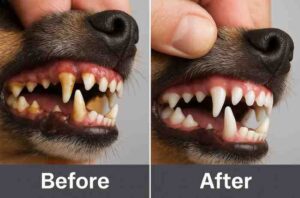
1. Start Early with Dental Care
I’ve learned that prevention is easier than cure. If you have a puppy or kitten, begin Pet Dental Care early. Young pets adapt quickly and see brushing as normal rather than scary. Start by letting your pet sniff the toothbrush or taste the toothpaste. Reward them with gentle praise.
If your pet is older, don’t panic—it’s never too late. The key is patience. Introduce dental tools slowly, and always keep the experience positive. I sometimes make brushing a short part of playtime, which helps reduce resistance. Early habits create long-term comfort with Pet Dental Care and save your pet from painful dental issues down the road.
[Image Prompt: A kitten playing with a toothbrush while the owner holds it gently]
2. Brush Your Pet’s Teeth Regularly
Brushing is the backbone of Pet Dental Care. I used to dread the thought of wrestling with my dog over brushing, but I discovered that the right tools and technique make it manageable.
- Choose a toothbrush made for pets, or try a finger brush.
- Always use pet-safe toothpaste (never human toothpaste—it’s toxic).
- Focus on the outer surfaces where plaque builds up.
- Start slow and build a routine.
Even brushing three times a week helps. Once brushing becomes a habit, you’ll notice fresher breath and cleaner teeth. I also find that brushing at the same time each day, such as after evening walks, builds consistency. This regular effort makes a huge impact on Pet Dental Care and your pet’s overall health.
[Image Prompt: Close-up of a dog’s teeth being brushed with a finger brush]
3. Use Dental Chews and Toys
Some days, brushing just isn’t possible, and that’s when dental chews and toys save me. They reduce plaque, massage gums, and keep pets entertained. I always look for products with the VOHC (Veterinary Oral Health Council) seal because that guarantees effectiveness.
Chews and toys aren’t a replacement for brushing, but they’re a fantastic supplement. My dog loves the chewing challenge, and I love knowing it supports Pet Dental Care. Plus, chewing relieves boredom and prevents destructive behavior, which is a win-win. By making smart choices in chews and toys, I’m able to care for my pet’s teeth and keep them engaged at the same time.
[Image Prompt: Happy dog chewing a VOHC-approved dental stick]
4. Offer a Dental-Friendly Diet
Food has a direct impact on oral health. Some kibbles are designed to scrape teeth while your pet eats, and these can make a noticeable difference in Pet Dental Care. Crunchy textures work better than soft foods that stick and feed bacteria.
I’ve also found that healthy snacks like raw carrots or apple slices (without seeds) make great natural tooth cleaners. They’re safe, low-calorie, and keep pets occupied. Over time, these small diet changes support strong teeth and gums while reducing bad breath. I avoid sugary treats or sticky leftovers since they speed up plaque buildup. The right diet truly acts as a first line of defense in Pet Dental Care.
[Image Prompt: A bowl with dental care kibble and fresh carrot sticks beside it]
5. Schedule Regular Vet Checkups
Even with at-home care, I rely on my vet to catch things I miss. During yearly checkups, vets examine the gums, teeth, and tongue for any signs of disease. Early detection means easier treatment and less discomfort for my pet.
I make it a rule to book a dental checkup once a year, sometimes twice if my pet shows signs of trouble. Professional insight is an essential part of complete Pet Dental Care. My vet once discovered a cracked tooth that I hadn’t noticed at all—fixing it early prevented infection. These visits may seem routine, but they play a crucial role in keeping your pet’s mouth pain-free and healthy.
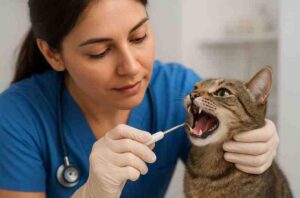
6. Consider Professional Dental Cleaning
At first, I worried about professional cleanings because of the anesthesia involved. But after talking with my vet, I realized the benefits outweigh the risks. These cleanings remove tartar from below the gumline—something I can’t do at home.
Professional cleaning gives pets a fresh start, especially if they already have plaque buildup. It’s one of the most powerful tools in the Pet Dental Care toolkit. After my dog’s first professional cleaning, I noticed a huge improvement in breath, appetite, and energy levels. If your pet struggles with recurring dental issues, professional cleanings provide a reset that makes at-home care more effective and easier to maintain.
[Image Prompt: Vet team performing a professional dental cleaning on a dog under anesthesia]
7. Watch for Warning Signs of Dental Disease
I pay close attention to early symptoms because catching them fast makes a huge difference. Here are the warning signs I look for:
- Persistent bad breath
- Red, swollen, or bleeding gums
- Drooling more than usual
- Difficulty eating or chewing
- Pawing at the mouth
If I see any of these signs, I book a vet appointment right away. Identifying issues early makes Pet Dental Care less stressful and less expensive. I also check my pet’s mouth during grooming sessions—lifting the lip to spot tartar buildup or gum changes. A few seconds of observation can help me catch problems before they worsen into painful conditions.
[Image Prompt: Infographic showing symptoms of pet dental disease]
8. Provide Fresh, Clean Water Daily
This tip seems basic, but it’s surprisingly powerful. Clean water helps wash away food particles and bacteria, supporting everyday Pet Dental Care. I always refresh my pet’s water bowl at least once a day and scrub the bowl to stop bacteria from building up.
Some vets also recommend dental water additives. I’ve tried them, and they work well as a supplement when brushing isn’t an option. Hydration also keeps the mouth moist, which reduces bacterial growth and supports gum health. I consider clean water a simple yet vital step that boosts every other part of my pet’s dental care routine.

9. Use Dental Sprays or Wipes
I’ve discovered that dental sprays and wipes are lifesavers for stubborn pets who hate brushing. Sprays freshen breath and kill bacteria, while wipes remove plaque from tooth surfaces.
They don’t replace brushing entirely, but they help me stay consistent with Pet Dental Care when I’m short on time. I keep them handy for busy days. These tools also help introduce reluctant pets to oral care, easing them into brushing over time. For me, sprays and wipes serve as a practical backup that ensures my pet never goes too long without some form of dental attention.
[Image Prompt: Pet parent using a dental wipe on a cat’s teeth]
10. Stay Consistent with Dental Care Routine
Consistency is the real secret. Skipping weeks or months invites tartar buildup and gum disease. I keep a simple schedule: brushing three times a week, offering chews daily, checking teeth during grooming, and planning yearly vet visits.
When I treat Pet Dental Care as part of daily life, it becomes second nature. And honestly, the payoff is priceless—my pet stays pain-free, happy, and healthy. I remind myself that even a few minutes of attention today can prevent years of discomfort later. Consistency isn’t about perfection; it’s about steady effort that leads to lifelong dental health.
FAQs
Q1: How often should I brush my pet’s teeth?
I recommend daily brushing if possible, but even 3–4 times per week makes a big difference in Pet Dental Care.
Q2: Can I use human toothpaste for my pet?
Never. Human toothpaste contains ingredients like fluoride or xylitol that are toxic to pets. Always use toothpaste made specifically for animals.
Q3: When should I start dental care for my pet?
The earlier, the better. Puppies and kittens adapt quickly, but you can introduce Pet Dental Care at any age.
Q4: How often does my pet need professional dental cleaning?
Most pets need a professional cleaning every 1–2 years, depending on age, diet, and breed.
Q5: Are dental chews enough to replace brushing?
No. Dental chews are helpful, but brushing remains the most effective part of Pet Dental Care. Use chews as a supplement, not a substitute.
Q6: What are the early signs of dental disease in pets?
Bad breath, bleeding gums, difficulty chewing, drooling, and pawing at the mouth are all red flags.
Conclusion
I’ve seen firsthand how much of a difference consistent Pet Dental Care makes. By starting early, brushing regularly, using chews, and scheduling vet visits, you can prevent painful problems and give your pet a healthier, longer life.
The best part? Once you create a routine, it becomes second nature. Your pet depends on you for their dental health, and trust me, the reward of seeing them thrive makes every effort worthwhile.
I know it can feel overwhelming at first, but remember—you don’t need to do everything perfectly from day one. Start with one small habit, like brushing a few times a week or offering a dental chew, and build from there. Over time, those small actions create a strong foundation for lifelong Pet Dental Care. Not only will your pet enjoy a pain-free mouth and fresher breath, but you’ll also enjoy the peace of mind that comes from knowing you’re protecting them from unnecessary health risks. Caring for your pet’s teeth is one of the greatest gifts you can give, and it’s never too late to start.




One thought on “10 Powerful Pet Dental Care Tips Every Pet Owner Must Know”